How To Fix Dry Cookies FAQ’s
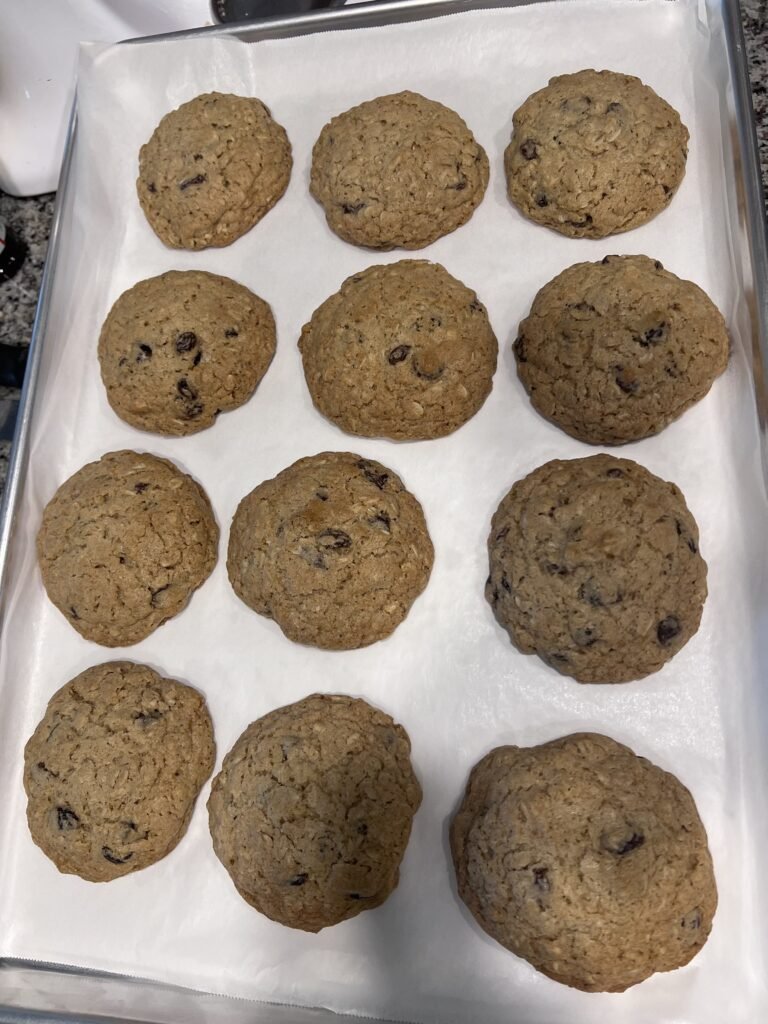
Q1: What is the most common reason for dry cookies?
A: The most common reason for dry cookies is overbaking. Even one extra minute in the oven can drive out enough moisture to turn a potentially chewy cookie into a dry, crumbly one. Pull cookies when edges are set but centers still look slightly underdone.
Q2: How do I fix dry cookies after they’re baked?
A: Place dry cookies in an airtight container with a slice of fresh bread for 12-24 hours. The cookies will absorb moisture from the bread and soften significantly. Alternatively, microwave with a damp paper towel for 5-10 seconds, or warm briefly in a 300°F oven.
Q3: Can I add more brown sugar to prevent dry cookies?
A: Yes. Brown sugar contains molasses, which attracts and retains moisture. Surprisingly, using more brown sugar and less white sugar creates chewier, moister cookies. Aim for a ratio of roughly 2 parts brown sugar to 1 part white sugar.
Q4: How does flour measurement affect cookie dryness?
A: Too much flour absorbs excessive moisture, it also leaves cookies dry and dense. Using the spoon-and-level method (rather than scooping directly from the bag) prevents over measuring. However, If your cookies are consistently dry, try reducing flour by 1-2 tablespoons.
Q5: What does an extra egg yolk do for cookies?
A: An extra egg yolk adds fat and emulsifiers that create richness, tenderness, and moisture. Yolks also contribute to that desirable chewy texture without adding excess structure from egg whites.
How to Fix Dry Cookies FAQ’S Continue:
Q6: Why do my cookies become dry after a day or two?
A: Improper storage allows moisture to escape. For better result, store cookies in an airtight container at room temperature with a slice of bread to maintain moisture. Avoid refrigerating cookies, because refrigeration accelerates staling.
Q7: Can over mixing cause dry cookies?
A: Yes. Overmixing develops gluten, the protein network that creates structure. Consequently, too much gluten makes cookies tough, dense, and dry. Mix dry ingredients into wet just until no flour streaks remain.
Q8: How does oven temperature affect cookie moisture?
A: An oven that runs too hot will over bake cookies, therefore driving out moisture before the interior sets. An oven that runs too cool may require longer baking, also leading to dryness. Use an oven thermometer to verify your oven’s actual temperature.
Q9: Can I use bread flour for moister cookies?
A: Yes. Bread flour has higher protein content (12-14%) than all-purpose flour (10-12%). This extra protein helps cookies retain moisture and creates that desirable chewy texture. You can substitute bread flour entirely or add 2 tablespoons to your all-purpose flour.
Q10: What moisture boosting ingredients can I add to cookie dough?
A: Honey, maple syrup, Greek yogurt, sour cream, applesauce, and corn syrup all add moisture. Carefully Add 1-2 tablespoons along with wet ingredients, reducing other sugar slightly if needed.
Q11: Why are my cookies dry even though I followed the recipe exactly?
A: Several factors can cause this: your oven may run hot (over baking), your flour measurement may be off (too much flour), your brown sugar may be dry, or your eggs may be small. However, by using an oven thermometer, measuring your flour correctly, ensuring brown sugar is fresh, and using large eggs will help.
Q12: Does chilling cookie dough affect moisture?
A: Yes, positively. Chilling dough allows flour to fully hydrate, which actually improves moisture retention. Chilled dough also spreads less and bakes more evenly, reducing the risk of over baking.
Q13: Can I freeze cookie dough to prevent dry cookies?
A: Absolutely. Freezing dough is an excellent way to have fresh cookies on demand. Portion dough into balls, freeze on a baking sheet, then transfer to freezer bags. Bake directly from frozen, adding 1-2 minutes to baking time.
Q14: How do I know when cookies are done without over baking?
A: Look for these visual cues: edges are set and lightly golden; centers still look soft, slightly puffy, and underdone; tops appear matte rather than wet. The cookies will continue to set as they cool on the baking sheet.
Q15: Can I fix cookies that are already over baked and hard?
A: Yes, to some extent. The bread in a container trick works well for slightly over baked cookies. For very hard cookies, consider repurposing, crush for pie crusts, use as ice cream toppers, crumble over yogurt, or dip in chocolate for a new treat.
Repurposing Dry Cookies: No Cookie Left Behind
If you have a batch of dry cookies that even the bread trick can’t fully revive, don’t throw them away! Here are delicious ways to repurpose them:
Cookie Crust: Crush dry cookies and mix with melted butter for an excellent pie or cheesecake crust.
Ice Cream Topping: Crumble over vanilla, coffee, or chocolate ice cream for added texture.
Trifle Layer: Layer crumbled cookies with pudding, whipped cream, and fruit for an easy dessert.
Milk Shake Addition: Blend crumbled cookies into milkshakes for cookie-flavored treats.
Cookie Butter: Grind dry cookies in a food processor with a little oil to create homemade cookie butter.
Baking Mix-Ins: Crumbled dry cookies make excellent add-ins for brownies or blondies. Check this lint out➡️ how to fix dry cookies