Why Are My Cookies Too Soft And Falling Apart? FAQ’s
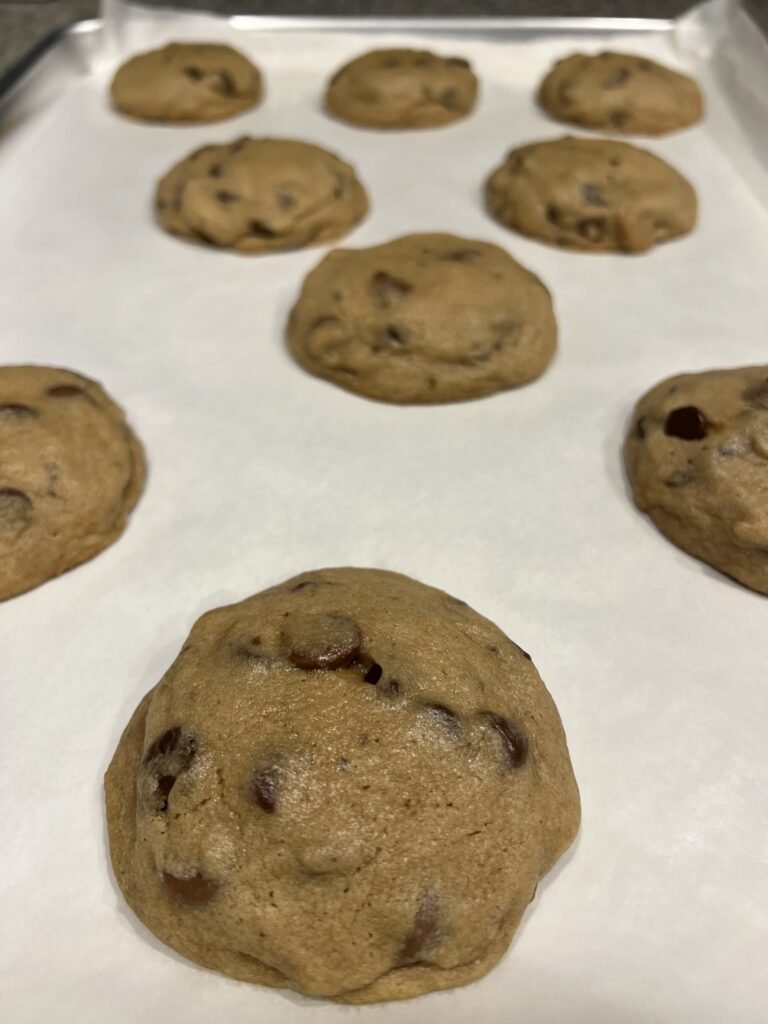
If your cookies are turning out too soft, fragile, or falling apart when you pick them up, don’t worry, you’re not alone. This is one of the most common baking issues, especially when you’re trying to get that perfect chewy texture.
Cookies can turn out too soft when they contain too much moisture, too much fat or sugar, too little flour, or when they haven’t baked long enough for their structure to set properly. Dough temperature, ingredient ratios, oven temperature, and cooling time can also affect how firm a cookie becomes. The key is identifying whether your cookies are simply soft, underbaked, or so fragile that they’re falling apart.
The good news?
Soft cookies aren’t always a bad thing… but when they won’t hold their shape or crumble too easily, something in your dough or baking process needs a small adjustment. There are a few common reasons this happens and once you know what to look for, it’s an easy fix. Here are 15 answer to your most FAQ’s.
Frequently Asked Questions:
Q1: Why are my cookies too soft and falling apart?
A: The most common reasons are underbaking, too little flour, too much brown sugar, or too much butter. Return underbaked cookies to the oven for 2-3 minutes. For future batches, increase bake time, add 2-3 tablespoons of flour, or adjust your sugar ratio.
Q2: How do I fix cookies that are too soft and crumbly?
A: If they’re already baked, return them to a 300°F oven for 2-3 minutes to dry them out slightly. For future batches, add 2-3 tablespoons of flour, reduce butter by 1-2 tablespoons, or increase bake time by 1-2 minutes.
Q3: Why do my cookies fall apart when I try to pick them up?
A: This usually means the cookies are underbaked or haven’t cooled enough. Return underbaked cookies to the oven. For properly baked cookies, let them cool on the baking sheet for 5-10 minutes before transferring to a wire rack.
Q4: Can too much brown sugar make cookies fall apart?
A: Consequently, Yes! Brown sugar contains molasses, which adds moisture and creates a softer, more tender cookie. Similarly, too much brown sugar relative to white sugar makes cookies overly soft and prone to falling apart. Ideally, aim for equal parts or more white sugar.
Q5: How does flour amount affect cookie structure?
A: Flour provides the protein that forms gluten, which gives cookies structure. However, too little flour means weak structure and crumbly cookies. Add 2-3 tablespoons of flour to strengthen your cookies.
Q6: Can over mixing cause cookies to fall apart?
A: Most definitely yes. Overmixing develops gluten, which can actually create a tough, brittle cookie that crumbles rather than bends. Mix dry ingredients into wet just until no flour streaks remain this method helps.
Q7: Why are my cookies falling apart in the middle?
A: This is a classic sign of underbaking. Sadly, the center hasn’t had enough time to set structurally. Return the cookies to the oven for 2-3 minutes. For future batches, increase bake time by 1-2 minutes.
Q8: Does chilling dough help cookies hold together?
A: Yes. Chilling solidifies the fat, which reduces spread and creates thicker cookies. Hence thicker cookies have better structural integrity and are less likely to fall apart.
Q9: How long should I cool cookies before moving them?
A: Cool cookies on the baking sheet for 5-10 minutes before transferring to a wire rack. If you move them too soon, they’ll be too soft and may fall apart. However, If you wait too long, they may stick to the pan.
Q10: Can I add an extra egg to help cookies hold together?
A: Yes. Most importantly, eggs act as binders. Add one extra egg yolk (not the whole egg) to strengthen structure without adding excess moisture from the white.
Q11: Why are my gluten-free cookies falling apart?
A: Gluten-free flours lack the binding protein that gives traditional cookies structure. Add 1 teaspoon of xanthan gum (if not already in your flour blend) or an extra egg to improve binding.
Q12: Can I freeze cookies that are falling apart?
A: Yes. Freezing can actually help fragile cookies hold together sadly, only temporarily. Place them on a baking sheet and freeze for 15-20 minutes before handling or serving.
Q13: Why are my cookies soft and falling apart the next day?
A: unfortunately, Improper storage is the culprit. Not storing cookies properly, allows moisture to accumulate or escape. Ideally, store cookies in an airtight container at room temperature with parchment paper between layers. Avoid refrigerating, which can introduce moisture.
Q14: Does the type of baking sheet affect cookie structure?
A: Yes. Dark, non-stick sheets absorb more heat and can over-brown edges while leaving centers underbaked. Preferably, use light-colored aluminum sheets with parchment paper for even baking and better structure.
Q15: Can I add cornstarch to make cookies sturdier?
A: Yes. Cornstarch interferes with gluten formation therefore it creates a more tender crumb, but it also adds structure. Add 1 tablespoon of cornstarch and reduce flour by 1 tablespoon for sturdier cookies that aren’t tough.
Final Thoughts:
Soft cookies should feel like a cozy treat — not something that falls apart in your hands.
Once you understand how ingredients like butter, sugar, and flour work together, you’ll be able to control your cookie texture with confidence.
And that’s what baking is all about. If you want to understand why moisture behaves this way inside cookie dough, Cookie Academy’s lesson on moisture explains what’s happening as the cookie bakes and cools. ➡️Moisture in Cookies: Why Some Cookies Stay Soft While Others Turn Crisp
Flour doesn’t simply sit inside cookie dough; it absorbs and interacts with moisture. Our lesson on flour hydration explains why that matters. ➡️Flour Hydration in Cookie Dough Also you can gain more in-depth information soft cookies. ➡️Why Are My Cookies Too Soft and Falling Apart? 11 Proven Fixes