Ultra-Moist Vanilla Bean Sour Cream Pound Cake
The Best Old-Fashioned Sour Cream Pound Cake You’ll Ever Bake
There’s pound cake, and then there’s this pound cake.
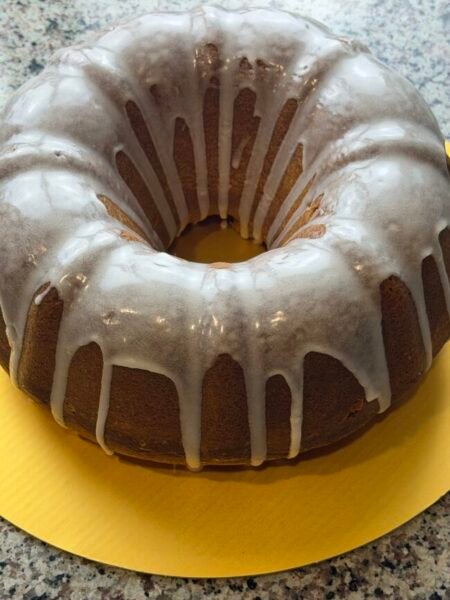
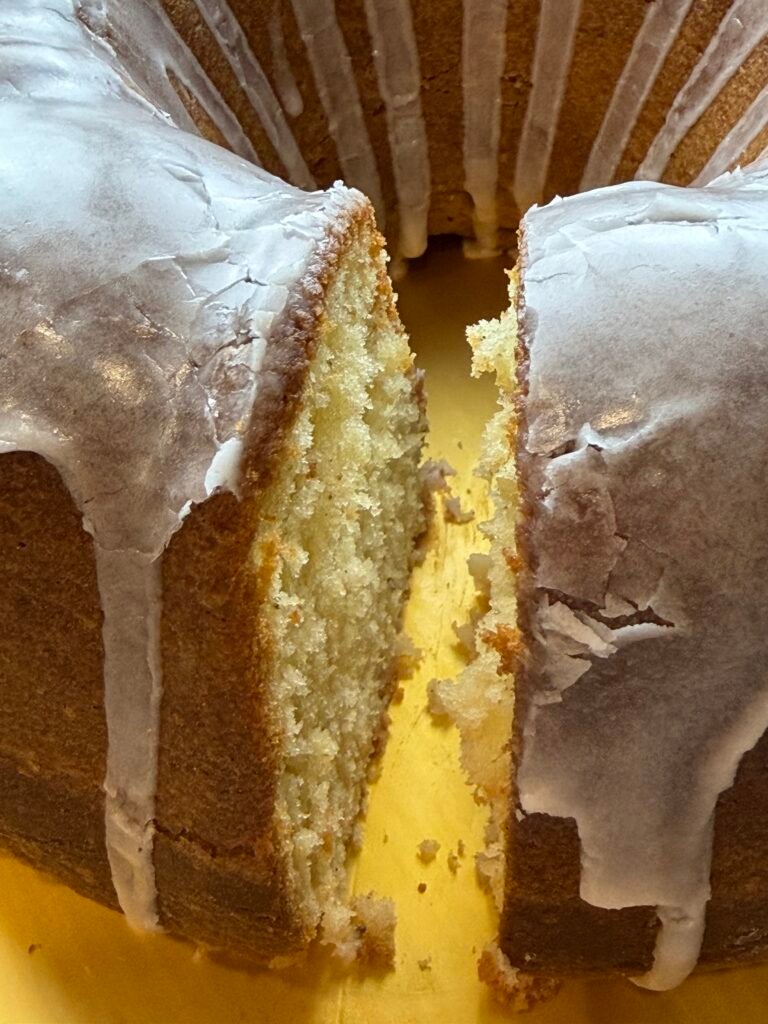
The kind your grandmother pulled from a cast-iron Bundt pan — golden-brown crust that cracks gently when you slice it, revealing a crumb so velvety it barely needs chewing. The kind that disappears from the break room in 11 minutes.
This is that cake.
I’ve tested this recipe 14 times (my family staged an intervention). The winner? A reverse-creamed, sour-cream-packed, vanilla-bean-speckled beauty that stays moist for five full days on the counter. No drying out. No crumbly edges.
Let me show you exactly how to nail it — no bakery degree required.
🔥 Why you’ll trash all other pound cake recipes after this one:
✔️ Dense but not heavy | ✔️ Velvety, not dry | ✔️ High dome, no tunnel holes | ✔️ Freezes like a dream
Why This Recipe Wins!
Most pound cakes lie to you. They promise “moist” and deliver sawdust by day two.
This one delivers because of three non-negotiable choices:
- Full-fat sour cream (room temp) – The acidity tenderizes gluten while the fat coats flour proteins. Result? A crumb that’s tight, tender, and never pasty.
- Reverse creaming method – Instead of creaming butter and sugar first, we beat softened butter into dry ingredients. This coats flour in fat before liquid hits it, preventing gluten development. That’s the secret to a flat-top, even-crumb cake (no tunnels).
- Cake flour + low-and-slow baking – 325°F instead of 350°F. An extra 15 minutes. Patience gives you that fine, velvety crumb instead of a coarse, dry one.
📌 Pro promise: Follow these steps exactly, and I guarantee a cake that earns you “can I have the recipe?” texts. Check this link out ➡️How to Soften Butter Properly: 5 Foolproof Methods for Better Baking.
Ingredients — Room Temperature is Non-Negotiable!
Set everything on the counter 2 hours before baking. Cold ingredients = curdled batter = dense cake.
Equipment
- countertop mixer/hand mixer
- bowls
- Bundt Pan
- measuring cups
- measuring spoons
- silicone spatula
- baking brush
- baking scale
- wire rack
Ingredients
- 3 cups cake flour (360g) Spoon & level-never scoop
- ½ teaspoon baking soda fresh, not expired
- ¼ teaspoon fine sea salt
- 1 cup unsalted butter( 2 stick/226g) Slightly cool to the touch & leaves a dent
- 2½ cups granulated sugar(500g) Dose not make cake too sweet
- 5 Lg eggs Room temperature
- 1 cup sour cream (240g) Full fat-DO NOT use light/fat free
- 1 tablespoon pure vanilla bean paste Pure vanilla extract can be use
Instructions
- For the Pan Prep (critical for release):· 2 tbsp unsalted butter, melted· 2 tbsp cake flour (for dusting)
- Prep Your Bundt Pan Like Your Cake Depends On It (It Does)Skip the spray. Use this instead:Brush every crevice of your Bundt pan with melted butter (use a pastry brush — get into the flutes).Add 2 tbsp cake flour, tap and rotate the pan to coat evenly.Invert over trash can to remove excess.Why this matters: 90% of stuck Bundt cakes happen because people use non-stick spray alone. Butter + flour is foolproof.
- Reverse Cream the Dry ingredients + ButterPreheat oven to 325°F with rack in lower third.In a stand mixer with paddle attachment (hand mixer works too):· Add cake flour, baking soda, salt — mix on low 10 seconds.· Add softened butter in tablespoon-sized pieces.· Mix on low until butter coats flour — looks like damp sand, about 2 minutes.
- Add Sugar, Then Eggs· With mixer still on low, slowly add sugar, takes about 1 minute. The mixture will look like coarse cornmeal.· Add eggs one at a time, beating 20 seconds after each. Scrape down bowl twice during this process.
- Alternate Sour Cream + Dry? Actually No, Here's the TrickNormally you'd alternate. Don't.Add sour cream and vanilla all at once. Mix on low just until combined — 15 seconds. The batter will look slightly curdled. That's fine.
- Final Mix — 10 Seconds OnlyMix on low for 10 seconds. Scrape bowl. Mix another 5 seconds. Stop the second you no longer see dry flour.Overmixing = tough cake. I'm serious.
- Bake Low & SlowPour batter into prepared pan. Smooth top with offset spatula.Tap pan firmly on counter 5 times, this releases air bubbles that cause tunnels.Bake at 325°F for 70–80 minutes. Check at 70 min: insert a long skewer into the deepest part. It should come out with a few moist crumbs, not wet batter.Internal temp goal: 200–205°F on an instant-read thermometer.
- Cool — Don't Flip ImmediatelyCool in pan on wire rack for exactly 15 minutes. Not 10. Not 20.After 15 min, invert onto rack. Let cool completely — at least 2 hours before glazing or slicing.🚨 Do not skip the 15-minute wait. Flip too soon and the bottom crumbles. Flip too late and steam condenses into a soggy crust.
- Pro Tips for a Perfect Crumb✅ Room temp everything — Cold sour cream solidifies butter, giving you a greasy, dense brick. Set dairy out 2 hours prior.✅ Tap out air — Those 5 firm taps aren't optional. They prevent the dreaded "tunnel holes" that ruin pound cake texture.✅ Use a light-colored pan — Dark nonstick pans absorb more heat and burn the crust before the center bakes. If you only have dark, drop temp to 315°F.✅ Check with thermometer — Toothpicks lie. A 200°F internal temp guarantees doneness without overbaking.✅ Let it rest overnight — Seriously. Wrap cooled cake tightly in plastic wrap and leave at room temp overnight. The crumb becomes even more velvety by morning.
- Classic Vanilla Drizzle· 1 cup powdered sugar· 2 tbsp milk· ½ tsp vanilla extractWhisk until smooth. Drizzle over cooled cake.
- How to Store & Freeze (So It Stays Perfect)Counter (best method): Wrap tightly in plastic wrap, then add foil. Keeps 5 days. Never refrigerate, fridge dries out pound cake faster than a desert wind.Freezer (for later): Slice cake into 1-inch pieces. Wrap each in plastic, then place in freezer bag. Freezes 3 months. Thaw wrapped on counter for 2 hours.Pro move: Freeze individual slices. Microwave for 15 seconds, then toast lightly. Tastes fresh-baked.