Why Are My Cookies Oily or Greasy?[ FAQ’s]
Common Baking Mistakes (And How to Fix Them)
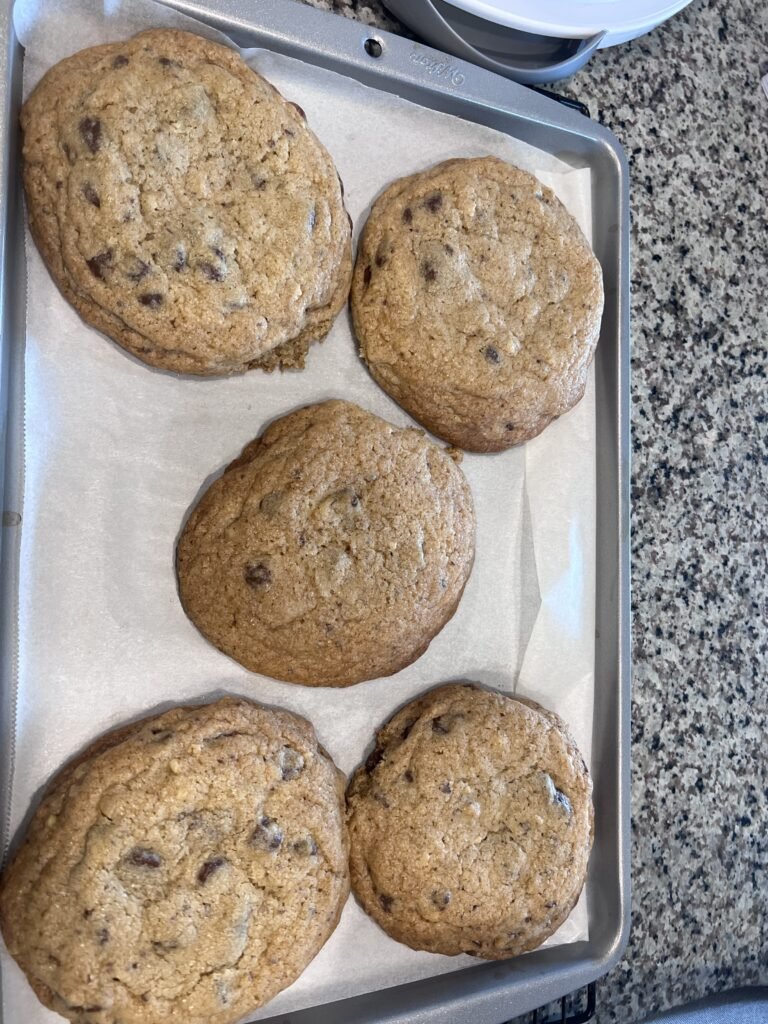
Q1: Why are my cookies oily or greasy?
A: The most common reasons are too much butter, butter that was too warm when mixed, not enough flour, or skipping the dough chill. Reduce butter by 1-2 tablespoons, use cool room temperature butter, add 2 tablespoons of flour, and always chill dough before baking.
Q2: How do I fix greasy cookies after they’re baked?
A: Blot warm cookies with paper towels to absorb surface grease. For better results, return them to a 300°F oven for 2-3 minutes on a paper towel-lined sheet. Or repurpose them as cookie crust or cookie butter.
Q3: Can too much brown sugar make cookies greasy?
A: Yes. Brown sugar’s molasses content can affect fat emulsification. If your cookies are greasy, try adjusting your sugar ratio to equal parts brown and white sugar, or use more white sugar than brown.
Q4: Does chilling dough prevent greasy cookies?
A: Absolutely. Chilling solidifies the fat, which slows melting during baking. This gives the flour time to absorb the fat before it can pool on the surface. Always chill for at least 30 minutes.
Q5: Why are my cookies greasy when I use margarine?
A: Margarine has a different fat structure and often contains more water and additives than butter. It doesn’t emulsify as well, leading to fat separation and greasiness. Switch to European-style butter for best results.
Q6: How does oven temperature affect cookie greasiness?
A: An oven that’s too low causes cookies to bake slowly. The butter melts completely and runs out before the cookie structure sets. Bake at 350-375°F and use an oven thermometer to verify accuracy.
Q7: Can I fix greasy cookie dough before baking?
A: Yes. If your unbaked dough feels greasy, add 2-3 tablespoons of flour and mix gently. Then chill the dough for at least 1 hour before baking. The flour absorbs excess fat, and chilling solidifies the rest.
Q8: Why are my cookies greasy and flat?
A: Flat, greasy cookies usually indicate too much butter or too little flour. The excess fat causes spread (flat) and also leaves a greasy residue. Add 2-3 tablespoons of flour and reduce butter by 1-2 tablespoons.
Q9: Does the brand of butter matter for greasiness?
A: Yes. European-style butter (Plugrà, Kerrygold) has higher fat content (82-86%) and lower water content. It emulsifies better and produces less greasy cookies than standard American butter.
Q10: Can I use oil to make less greasy cookies?
A: No. Oil is 100% fat and never solidifies. Oil based cookies are actually more prone to greasiness than butter-based cookies. Stick with butter for best results.
Q11: Why are my chocolate chip cookies greasy?
A: Chocolate chip cookies are particularly prone to greasiness because chocolate chips add their own fat (cocoa butter). If your recipe has too many chips, reduce the amount or add 2 tablespoons of extra flour.
Q12: How do I store greasy cookies?
A: Store greasy cookies on a paper towel lined container. The paper towel will absorb excess grease. Change the paper towel daily. Avoid stacking them, as the grease can transfer.
Q13: Can I freeze greasy cookie dough?
A: Yes. Freezing actually helps. Portion the dough, freeze solid, then bake directly from frozen. The extreme cold helps control fat melting for less greasy results.
Q14: Why are my shortbread cookies greasy?
A: Shortbread has a very high butter-to-flour ratio by design. If yours are overly greasy, reduce the butter by 1-2 tablespoons or add 2 tablespoons of cornstarch, which absorbs excess fat.
Q15: Are greasy cookies safe to eat?
A: Yes, they’re perfectly safe. The grease is just excess fat that wasn’t absorbed. They may be heavier and less pleasant in texture, but they’re not harmful. Check these links out ➡️🤩Award-Winning Chocolate Chip Cookie ➡️🤩why are my cookies oily