How to Fix Flat Cookies FAQ’s
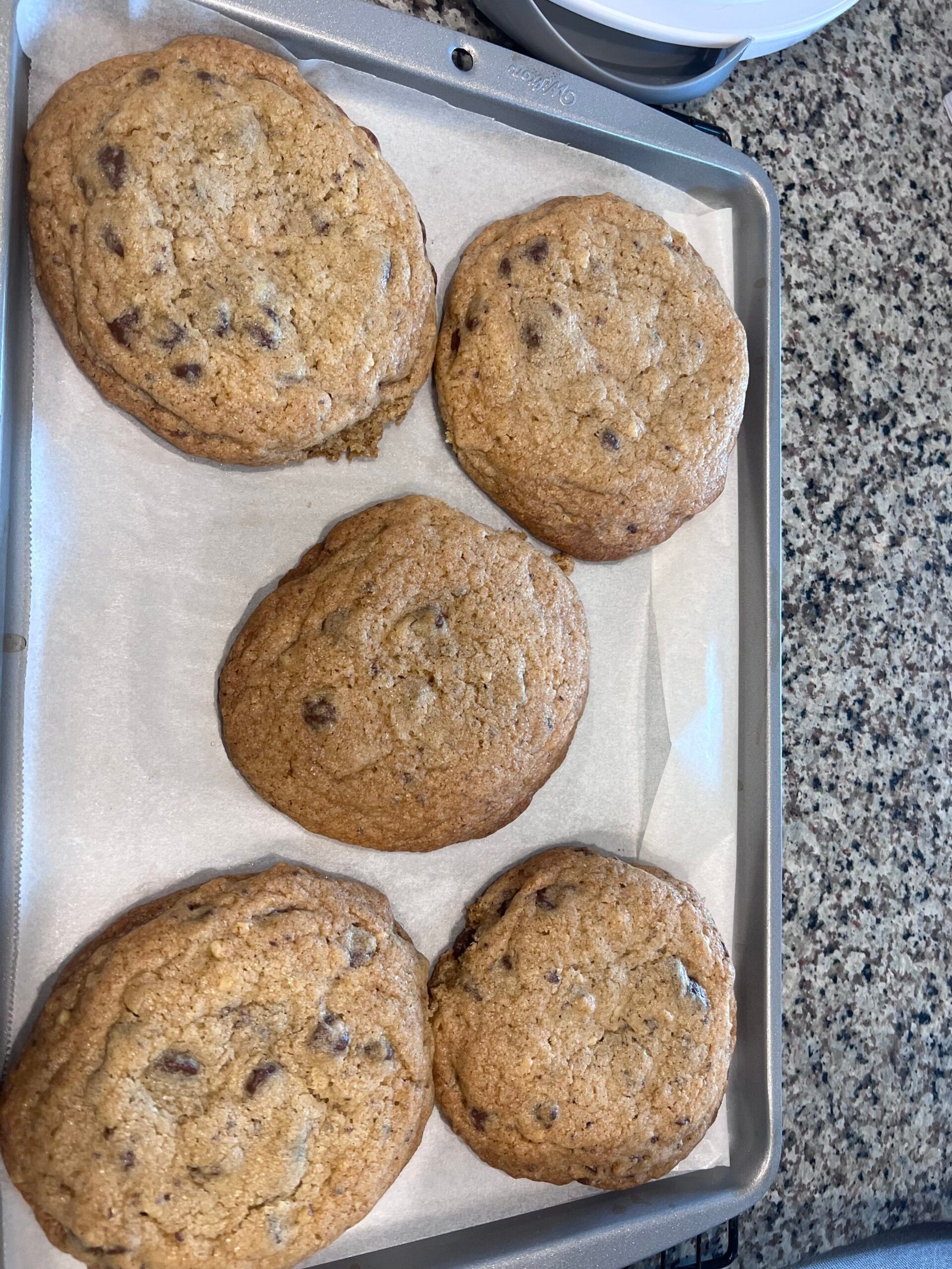
Understanding how to fix flat cookies starts with understanding why cookies spread in the first place. Once you know the science behind the spread, you can troubleshoot with confidence and achieve that perfect balance of thickness, chewiness, and structure. From ingredient temperatures to chilling techniques, from flour ratios to oven temperature, we’ll cover everything you need to know to transform your flat cookies into bakery worthy treat.
Q1: What is the most common reason for flat cookies?
A: The most common reason for flat cookies is butter that is too warm. When butter is too soft or melted, it can’t trap air during creaming and melts immediately in the oven, causing the cookie to spread before structure sets. Chilling dough thoroughly is the best solution.
Q2: How do I fix flat cookies after they’re baked?
A: Unfortunately, you can’t fix cookies once they’re baked. However, you can repurpose flat cookies: crumble them over ice cream, use as a crust for cheesecake or pie, dip in chocolate, or crush into a cookie crumb topping for desserts.
Q3: Can I add flour to cookie dough to prevent spreading?
A: Yes. If your dough feels too soft or greasy, add 1-2 tablespoons of flour and mix just until combined. Then chill thoroughly before baking. This adds structure that helps prevent excessive spread.
Q4: How long should I chill cookie dough to prevent flat cookies?
A: Chill for at least 30 minutes for a quick fix, but 2-24 hours is optimal for preventing flat cookies. Chilling solidifies the butter, allowing the cookie structure to set before the fat melts. Longer chilling also improves flavor.
Q5: Why are my cookies flat even after chilling?
A: If chilled cookies still spread, possible causes include: oven temperature too low, too much sugar (especially white sugar), too little flour, old leavening agents, or butter that was too warm before chilling. Check each factor and adjust accordingly.
Q6: Does brown sugar prevent flat cookies?
A: Brown sugar helps prevent flat cookies because its molasses content adds moisture and promotes rise and chewiness. Using more brown sugar and less white sugar creates thicker, chewier cookies with less spread.
Q7: Why do my cookies spread on the second batch but not the first?
A: This usually indicates your baking sheet became too warm. Dough placed on a warm sheet begins melting immediately, causing excessive spread. Always cool sheets completely between batches, or use two sheets to rotate.
Q8: Can I use melted butter and still get thick cookies?
A: Melted butter typically produces flatter, chewier cookies with crisp edges. To get thicker cookies with melted butter, chill the dough extensively (at least 2-4 hours) and consider adding an extra tablespoon of flour.
Q9: How does oven temperature affect cookie spread?
A: Ovens that are too cool allow butter to melt and spread before the cookie sets. Ovens that are too hot set edges too quickly, limiting spread. The optimal range for most drop cookies is 350-375°F. Use an oven thermometer to verify accuracy.
Q10: What type of baking sheet prevents flat cookies?
A: Light colored, uncoated aluminum baking sheets lined with parchment paper provide the most controlled baking environment. Dark, non-stick sheets absorb more heat and can cause excessive browning and spread.
Q11: Why are my cookies flat and greasy?
A: Flat, greasy cookies typically indicate too little flour or butter that was too warm. The excess fat doesn’t have enough structure to contain it, resulting in greasy, spread-out cookies. Add 1-2 tablespoons flour and chill thoroughly next time.
Q12: Can altitude cause flat cookies?
A: Yes. At high altitudes, lower air pressure can cause cookies to spread more. Adjust by increasing flour by 1-2 tablespoons, reducing sugar slightly, and increasing oven temperature by 15-25°F.
Q13: How do I get thick, bakery style cookies?
A: For thick, bakery style cookies: use cool room temperature butter, cream for 2-3 minutes only, use more brown sugar than white sugar, chill dough for 24-48 hours, and bake at 375°F on parchment lined light colored sheets.
Q14: Why do my cookies have crispy edges but flat centers?
A: This pattern often indicates the dough was too warm when baked, or the oven temperature was too low. The edges set while the center continued spreading. Chill dough thoroughly and verify oven temperature with a thermometer.
Q15: Can I save dough that is already too warm?
A: Yes. Immediately cover and refrigerate the dough for at least 2 hours. If the dough still feels too soft after chilling, add 1-2 tablespoons of flour and mix gently. Shape into balls while cold and bake directly from the refrigerator.The Secret Science of an Awe-Inspiring Chocolate Chip Cookie:
How to Fix Flat Cookies: 10 Proven Solutions for Bakery-Perfect Results