How to Make Cookies Chewy FAQ’s
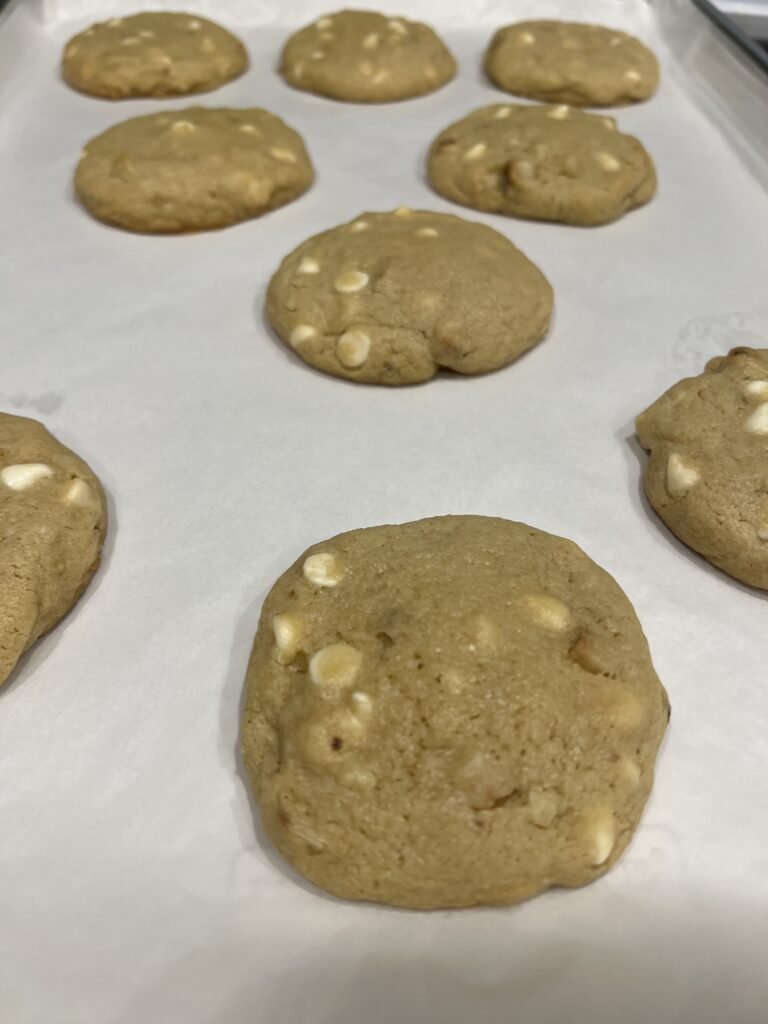
If you’ve been wondering how to make cookies chewy, you’ve come to the right place. The secret isn’t one single trick, it’s a combination of ingredient choices, techniques, and baking methods that work together to create that ideal texture. From the type of sugar you use to how long you bake, from the fat you choose to how you store your finished cookies, every decision matters. Here you’ll find answers to your FAQ’s, Hopefully they’ll help your baking game.
Frequently Asked Questions
Q1: What makes cookies chewy instead of cakey?
A: Chewy cookies have more moisture, higher fat content, and less air incorporation than cakey cookies. Key factors include using more brown sugar, adding an extra egg yolk, using melted butter instead of creamed, and underbaking slightly.
Q2: Does brown sugar make cookies chewy?
A: Yes. Brown sugar contains molasses, which attracts and holds onto moisture. This moisture retention creates soft, chewy cookies. Dark brown sugar has more molasses than light brown sugar, making it even better for chewy cookies.
Q3: How do I make cookies chewy without brown sugar?
A: You can add molasses, honey, maple syrup, or corn syrup to mimic brown sugar’s moisture-retaining properties. Add 1-2 tablespoons of your chosen sweetener and reduce other sugar slightly. Bread flour and extra egg yolks also help create chewiness.
Q4: Does chilling cookie dough make chewier cookies?
A: Yes. Chilling solidifies the fat, which reduces spread and creates thicker cookies. Thicker cookies retain more interior moisture, resulting in a chewier texture. Chilling for 24-48 hours also allows flavors to deepen.
Q5: Why are my cookies cakey instead of chewy?
A: Cakey cookies typically result from creaming butter and sugar too long (incorporating too much air), using too much flour, over mixing, over baking, or using too many eggs. Try using melted butter, adding an extra yolk, and underbaking slightly.
Q6: Can I use bread flour for chewy cookies?
A: Yes. Bread flour has higher protein content (12-14%) than all-purpose flour (10-12%). This extra protein creates more structure and helps cookies hold onto moisture, resulting in a chewier texture.
Q7: What does cornstarch do to cookies?
A: Cornstarch interferes with gluten formation and absorbs moisture therefore, creating a more tender, chewy texture. Replace 2 tablespoons of flour with 2 tablespoons of cornstarch per 2 cups of flour for chewier results.
Q8: How do I make cookies chewy after they’re baked?
A: If cookies have already hardened, place them in an airtight container with a slice of bread for 12-24 hours. They’ll absorb moisture and soften. For immediate results, microwave with a damp paper towel for 5-10 seconds.
Q9: Does melted butter make cookies chewy?
A: Yes. Melted butter eliminates the air pockets created during creaming, resulting in a denser, chewier cookie with richer flavor. Melted butter also allows you to skip the creaming step entirely.
Q10: How does an extra egg yolk affect cookies?
A: Extra egg yolks add fat and emulsifiers that create richness, tenderness, and moisture. Yolks also contribute to that desirable chewy texture without adding the structure-building proteins found in egg whites.
Q11: Can I use all brown sugar for chewy cookies?
A: Yes. Using all brown sugar creates very chewy, moist cookies with deep caramel flavor. However, expect more spread and darker color. For best results, combine with a small amount of white sugar for structure.
Q12: How long should I bake cookies for chewy texture?
A: Bake until edges are set and lightly golden, but centers still look soft, puffy, and slightly underdone. This is typically 1-2 minutes less than standard recipes suggest. Cookies will continue to set as they cool.
Q13: Does the type of chocolate affect chewiness?
A: Not directly. Chocolate type affects flavor more than texture. However, using chopped chocolate bars rather than chips can affect texture because bars melt more completely, creating pockets of chocolate that contribute to overall mouthfeel.
Q14: Why do my chewy cookies get hard the next day?
A: Improper storage allows moisture to escape. Store cookies in an airtight container at room temperature with a slice of bread to maintain softness. Avoid refrigerating cookies, as refrigeration accelerates staling.
Q15: Can I freeze chewy cookie dough?
A: Yes. Freezing dough is an excellent way to have fresh chewy cookies on demand. Portion dough into balls, freeze on a baking sheet, then transfer to freezer bags. Bake directly from frozen, adding 1-2 minutes to baking time. Check this link out ➡️How to Get Soft & Chewy Cookies Not Crisp & Thin