Why Are My Cookies Too Soft and Falling Apart? 11 Proven Fixes
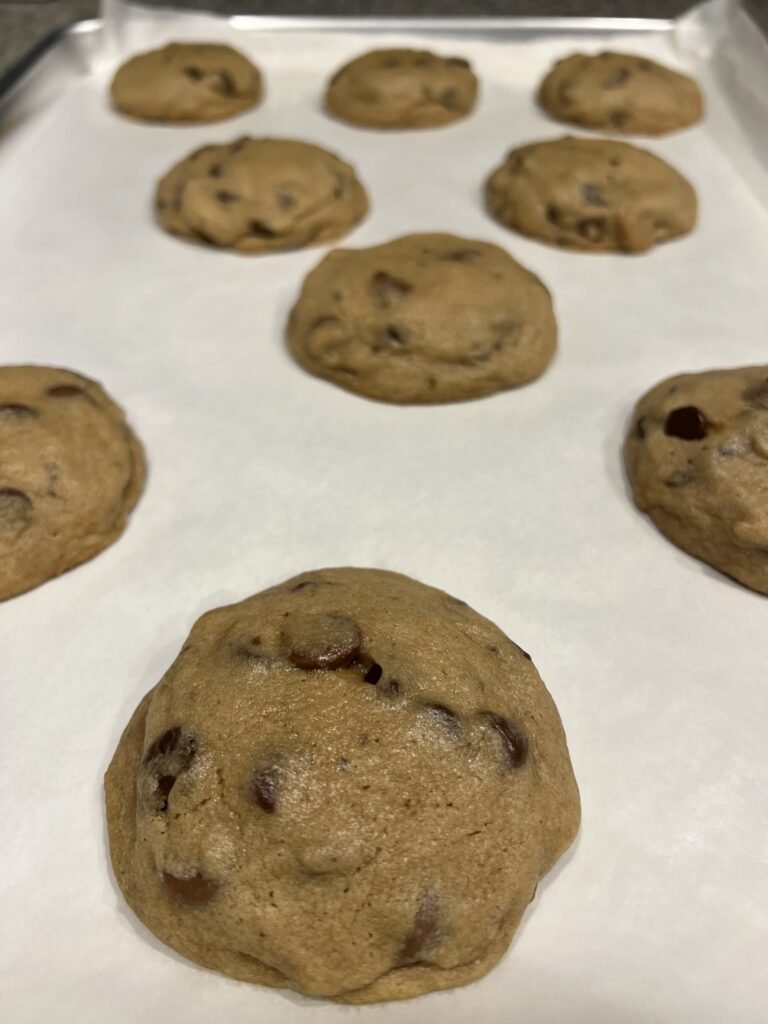
You pull a tray of cookies from the oven, and they look beautiful golden, perfectly shaped, absolutely promising. You let them cool, anticipation building. But when you go to pick one up, disaster strikes. Consequently, the cookie crumbles in your hand before it even reaches your mouth. It’s too soft, too delicate, falling apart at the slightest touch. If you’ve ever found yourself asking “why are my cookies too soft and falling apart?” you’re not alone.
Why do my cookies fall apart when I try to pick them up? The answer usually comes down to one of several common issues: underbaking, too much brown sugar or fat, not enough flour, or improper cooling. The good news is that soft, crumbly cookies are often fixable sometimes even after they’ve come out of the oven.
In this comprehensive guide, we’ll explore exactly why are my cookies too soft and falling apart and give you eleven proven strategies to fix the problem and prevent it from happening again.
Let’s rescue those fragile cookies.
Why Are My Cookies Too Soft and Falling Apart? The Science
Before we can fix soft, crumbly cookies, we need to understand what gives cookies their structure. Cookie integrity depends on several key factors:
Baking Time: Underbaked cookies lack the structural development needed to hold together. The interior remains too moist and fragile.
Flour Amount: Flour provides the protein that forms gluten, which gives cookies structure. Too little flour means weak structure.
Fat-to-Flour Ratio: Fat creates tenderness, but too much fat relative to flour leaves cookies greasy and prone to crumbling.
Sugar Balance: Brown sugar adds moisture; white sugar adds structure. Too much brown sugar can make cookies overly soft.
Eggs: Eggs act as binders. Too few eggs means nothing holding the cookie together.
Cooling Method: Cookies need time to set. Removing them from the baking sheet too soon can cause breakage.
Now that we understand the factors, let’s explore exactly why are my cookies too soft and falling apart in specific scenarios.
11 Reasons Your Cookies Are Too Soft and Crumbly
- You Underbaked Them (The #1 Cause)
Why are my cookies soft and falling apart in the middle? This is the most common answer.
The problem: When cookies are underbaked, the interior hasn’t had enough time to set. The structure is weak, and the excess moisture makes them fragile and prone to crumbling.
The solution:
· Return underbaked cookies to the oven for 2-3 minutes
· For future batches, increase bake time by 1-2 minutes
· Look for visual cues: edges set and golden, centers no longer glossy
How to tell if cookies are underbaked: The centers look wet and glossy, the cookies feel very soft when touched, and they break apart easily when lifted.
- You Used Too Little Flour
The problem: Flour provides the structure that holds cookies together. Too little flour means weak structure and cookies that crumble at the slightest touch.
The solution:
· Add 2-3 tablespoons of flour to your recipe
· Use the spoon and level method to measure flour accurately
· The dough should be soft but not overly sticky or wet
Signs of too little flour: Dough is very soft and wet, cookies spread excessively, and finished cookies are fragile and crumbly.
- You Used Too Much Brown Sugar
The problem: Brown sugar contains molasses, which adds moisture and creates a softer, more tender cookie. Too much brown sugar relative to white sugar makes cookies overly soft and prone to falling apart.
The solution:
· Adjust your sugar ratio to include more white sugar
· Aim for equal parts brown and white sugar for balanced structure
· For sturdier cookies, use 2 parts white sugar to 1 part brown sugar
Sugar Ratio Texture Result
All brown sugar Very soft, fragile
2:1 brown to white Soft, tender
1:1 brown to white Balanced
2:1 white to brown Firmer, more structure
- You Used Too Much Butter or Fat
The problem: Fat creates tenderness, but too much fat overwhelms the flour’s ability to provide structure. The result is a greasy, fragile cookie that falls apart.
The solution:
· Reduce butter by 1-2 tablespoons
· Use European-style butter (higher fat means you may need less)
· Ensure you’re measuring butter accurately (1 stick = ½ cup = 113g)
Signs of too much fat: Cookies are greasy to the touch, spread excessively, and have a fragile, almost oily crumb.
- You Didn’t Use Enough Eggs
The problem: Eggs act as binders, holding the cookie together. Too few eggs means nothing binding the ingredients, resulting in crumbly cookies.
The solution:
· Add one extra egg yolk (adds binding without excess white)
· For very crumbly cookies, add half an extra egg
· Ensure you’re using large eggs as specified
Egg guide:
Egg Amount Effect on Structure
Too few Crumbly, falls apart
Correct amount Balanced, holds together
Too many Cakey, dense
- You Over mixed Your Dough
The problem: Over mixing develops gluten, which might seem good for structure, but excessive gluten actually creates a tough, brittle cookie that crumbles rather than bends.
The solution:
· Mix dry ingredients into wet just until no flour streaks remain
· Stop immediately don’t continue mixing
· Fold in add-ins by hand
Signs of over mixing: Dough looks smooth and elastic, cookies are tough yet crumbly, and the texture is dense.
- You Didn’t Chill Your Dough
The problem: Warm dough spreads excessively during baking, creating thin cookies with weak structure. These thin cookies are more prone to breaking and falling apart.
The solution:
· Chill dough for at least 30 minutes before baking
· For best results, chill for 2-24 hours
· Chilling solidifies fat, reduces spread, and creates thicker, sturdier cookies
- You Cooled Cookies Incorrectly
The problem: Cookies are very fragile when hot. Removing them from the baking sheet too soon can cause them to break apart. Conversely, leaving them too long can cause over-hardening.
The solution:
· Cool cookies on the baking sheet for 5-10 minutes
· They should be firm enough to hold their shape before transferring
· Use a thin metal spatula to lift cookies gently
Cooling guide:
Cooling Time Result
Less than 3 minutes Too soft, falls apart
5-10 minutes Perfect, holds together
More than 15 minutes May stick to pan
- You Added Too Many Wet Add-Ins
The problem: Add-ins like fresh fruit, applesauce, or pumpkin puree add significant moisture to your dough. This excess moisture weakens the cookie’s structure.
The solution:
· Reduce other liquids when using wet add-ins
· Add 2-3 tablespoons of extra flour to absorb moisture
· Drain or pat dry wet ingredients before adding
Wet add-in guide:
Add-in Adjustment
Fresh fruit -Add 2 tbsp flour, drain excess liquid
Applesauce -Reduce other liquids by same amount
Pumpkin puree -Add 2-3 tbsp flour
Mashed banana -Add 2 tbsp flour
- Your Leavening Agents Were Too Active
The problem: Too much baking powder or baking soda creates excessive gas bubbles, making cookies rise too much and then collapse into a fragile, crumbly structure.
The solution:
· Reduce baking powder by ¼ teaspoon
· Ensure you’re using the correct leavening for your recipe
· Check that leavening agents are fresh (not expired)
Leavening guide:
Problem Fix
Too much baking powder Reduce by ¼ tsp
Too much baking soda Reduce by ⅛ tsp
Old leavening Replace (causes weak rise)
- Your Recipe Was Designed for Soft Cookies
The problem: Some recipes like Loft house style frosted cookies or certain soft-baked varieties are intentionally designed to be very soft and delicate. These cookies may always be prone to crumbling.
The solution:
· Check the recipe description look for “soft,” “delicate,” or “tender”
· For sturdier cookies, choose recipes with higher flour-to-fat ratios
· Add 2 tablespoons of flour to soft-style recipes for more structure
How to Fix Soft, Falling-Apart Cookies (7 Rescue Methods)
Your cookies are baked and falling apart. Don’t throw them away! Here’s how to fix them:
Rescue Method #1: Return to the Oven (For Underbaked Cookies)
Place cookies back on a baking sheet and bake at 300°F for 2-3 minutes. This dries them out slightly and helps them set. Let cool completely on the sheet.
Rescue Method #2: The Freezer Trick
Place fragile cookies on a baking sheet and freeze for 15-20 minutes. The cold solidifies the fats, making them temporarily firmer and easier to handle.
Rescue Method #3: Use as Crust (Repurpose)
Crush the crumbly cookies and mix with melted butter to create an excellent pie or cheesecake crust. No cookie goes to waste!
Rescue Method #4: Cookie Trifle
Layer crumbled cookies with pudding, whipped cream, and fruit for a delicious no-bake dessert.
Rescue Method #5: Ice Cream Topping
Crumble the fragile cookies over ice cream, yogurt, or frosting for added texture and flavor.
Rescue Method #6: Cookie Butter
Grind crumbled cookies in a food processor with a little oil to create homemade cookie butter.
Rescue Method #7: Dip in Chocolate
Dip fragile cookies partially in melted chocolate. The chocolate hardens and provides structural support while adding delicious flavor.
Quick Reference Troubleshooting Chart, Pro Tips:
Problem Likely Cause Solution
Cookies fall apart when lifted -Underbaked Return to oven 2-3 minutes
Cookies are soft and crumbly -Too little flour Add 2-3 tbsp flour next batch
Cookies are greasy and fragile -Too much butter Reduce butter by 1-2 tbsp
Cookies are tender but fall apart -Too much brown sugar Increase white sugar ratio
Cookies are brittle and crumbly -Over mixed Mix just until combined
Cookies spread thin and break -Dough not chilled Chill 30+ minutes before baking
Cookies break when transferring -Cooled incorrectly Cool 5-10 min on sheet
Cookies have weak structure -Not enough eggs Add 1 extra egg yolk
How to Prevent Soft, Crumbly Cookies: Best Practices!
Before You Start
· Measure flour using spoon-and-level method
· Ensure butter is at cool room temperature (65-67°F)
· Use large eggs as specified
· Check that leavening agents are fresh
During Mixing
· Mix dry ingredients into wet just until combined
· Don’t over mix—stop when no flour streaks remain
· Fold in add-ins by hand
· If dough seems too wet, add 1-2 tablespoons flour
Before Baking
· Chill dough for at least 30 minutes (2-24 hours is better)
· Portion cookies evenly for consistent baking
· Use parchment paper on light-colored baking sheets
During Baking
· Don’t underbake, edges should be set and golden
· Centers should be matte, not glossy
· Rotate sheet halfway through for even baking
After Baking
· Cool on sheet for 5-10 minutes before transferring
· Use a thin metal spatula to lift gently
· Transfer to wire rack to cool completely
Final Thoughts: Your Sturdy Cookie Future
If you’re still wondering why are my cookies too soft and falling apart remember this, structure comes from flour, eggs, and proper baking. Don’t be afraid to add a few extra tablespoons of flour or let those cookies bake a minute or two longer.
Understanding why cookies become too soft transforms you from a frustrated baker into a confident problem solver. You now know that soft, crumbly cookies aren’t a failure they’re simply cookies giving you feedback about your bake time, ingredient ratios, or cooling method.
The solutions we’ve covered increasing bake time, adding flour, adjusting sugar ratios, proper cooling—are your tools for achieving perfectly sturdy cookies that hold together beautifully.
So go preheat that oven. Your sturdiest, most perfect batch of cookies is waiting to be baked.
What’s your biggest cookie texture struggle? Drop a comment below I’d love to help! Check these links out ➡️How to Get Soft & Chewy Cookies Not Crisp & Thin. ➡️Award-Winning Chocolate Chip Cookie
Please check my new links in “Cookie Academy” A PLACE WHERE YOU CAN LEARN THE SCIENCE OF BAKING COOKIES ➡️What Does “Mix Until Fully Combined” Mean? ➡️Why Whisking Is One of the Most Important Skills in Baking