Why Using Good Quality Baking Equipment Matters-FAQ’s
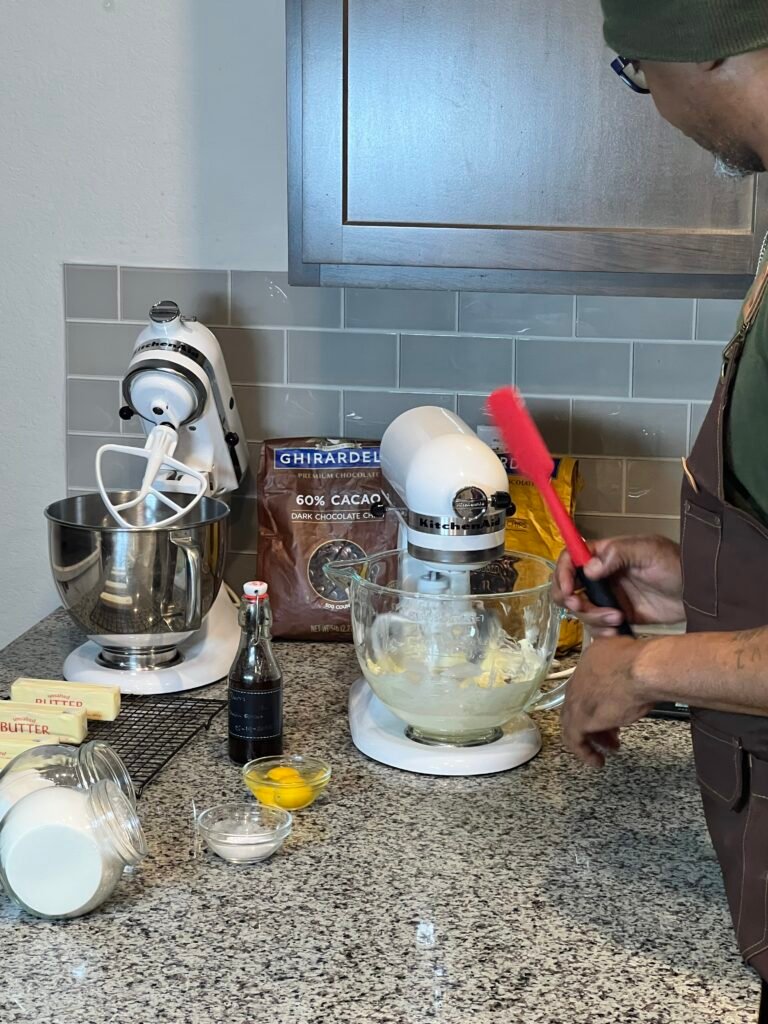
The One Baking Tool I Can’t Live Without:
Most people think great baking starts with ingredients.
And yes, quality butter, chocolate, vanilla, and flour absolutely matter. But after years of baking cookies, testing recipes, and learning what truly creates consistency in the kitchen, I’ve realized something important:
Great baking also depends on great tools.
The right equipment doesn’t just make baking easier, it changes the way you mix, fold, scrape, and handle your dough. Small differences in comfort, flexibility, and control can completely affect your baking experience.
At First Bite Cookie, one baking tool has become part of my process more than any other:
My silicone spatula.
And honestly? I can’t imagine baking without it. So here are some FAQ’s
Frequently Asked Questions
Q1: Why does quality baking equipment matter?
A: Quality baking equipment matters because baking is a science of precision and consistency. Accurate measurements, even heat distribution, and reliable mixing tools ensure that your results are repeatable batch after batch, eliminating variables that could cause failed recipes.
Q2: Is the Good Cook silicone spatula worth it?
A: Yes. With 450°F heat resistance, non-stick safe design, seamless construction options, and excellent ergonomics, it’s a workhorse tool that many bakers swear by. One reviewer called it “top-notch,” noting it feels perfect in hand and resists high heat.
Q3: How can I tell if my silicone spatula is food-grade?
A: Look for labeling that says “food grade silicone” or “BPA free.” Food grade silicone is regulated by the FDA and doesn’t contain harmful chemicals like BPA and phthalates. Avoid spatulas with a strong chemical smell or that feel greasy.
Q4: How hot can a silicone spatula get?
A: Quality silicone spatulas resist heat up to 480°F or more. The Good Cook spatula is rated to 450°F, making it safe for candy making, stirring hot syrups, and scraping hot baking sheets.
Q5: What’s the difference between silicone and rubber spatulas?
A: Silicone spatulas are more heat resistant, durable, and non stick than rubber spatulas, which can dry out, become brittle, and melt at high temperatures. Rubber spatulas are fine for low-heat tasks, but silicone is superior for baking.
Q6: Should I get a one-piece or two-piece spatula?
A: One-piece seamless silicone spatulas are easier to clean and don’t trap food or bacteria in crevices. Two-piece designs with removable heads allow thorough cleaning but create a potential failure point over time.
Q7: Why does my Good Cook spatula feel different from another brand?
A: Different brands use different silicone formulations, core materials, and handle designs. Good Cook uses a beechwood handle on some models for a comfortable, solid grip, while other brands may use plastic or metal cores.
Q8: Can I put my silicone spatula in the dishwasher?
A: Most silicone spatulas, including Good Cook, are dishwasher safe. However, for wood-handle versions, hand washing is recommended to preserve the wood.
Q9: What other baking tools should I invest in quality versions of?
A: Prioritize a digital kitchen scale (the single most important tool), an oven thermometer, and a quality half-sheet pan. These three items have the biggest impact on baking results per dollar spent.
Q10: How do I maintain my Good Cook spatula?
A: For the all-silicone version, dishwasher safe is fine. For the wood-handle version, periodically rub the handle with mineral oil to prevent drying and cracking. Remove the silicone head when washing for a thorough clean.
Q11: Why does my cheap spatula melt when I make caramel?
A: Cheap plastic or low-quality silicone spatulas may only be rated to 350°F. Caramel can exceed 350°F easily, causing melting. Quality silicone spatulas rated to 450°F handle this safely.
Q12: Can a spatula really affect my baking results?
A: Absolutely. A spatula that doesn’t scrape cleanly leaves batter behind, throwing off your recipe’s ratios. One that’s too flimsy won’t properly fold ingredients. One that’s too stiff can’t conform to bowl shapes. The right spatula ensures complete ingredient incorporation and consistent texture.
Q13: Is expensive always better for baking equipment?
A: Not always. Budget baking tools like mixing bowls and basic spatulas perform nearly as well as premium versions. However, investing in a quality scale, oven thermometer, sheet pan, and spatula is worth the cost for the consistent results they deliver.
Q14: What should I look for when buying a silicone spatula?
A: Look for heat resistance to at least 400°F (450°F is better), seamless one-piece design, flexible yet sturdy head, comfortable ergonomic handle, and food-grade/BPA-free certification.
Q15: How often should I replace my silicone spatula?
A: Quality silicone spatulas can last for years. Replace if you notice cracking, peeling silicone, melting, persistent odors, or if the head becomes loose on a two-piece design. Check this link out ➡️Why Oven Thermometer Are a Baker’s Best Friend.