Why Are My Cookies Hard FAQ’s?
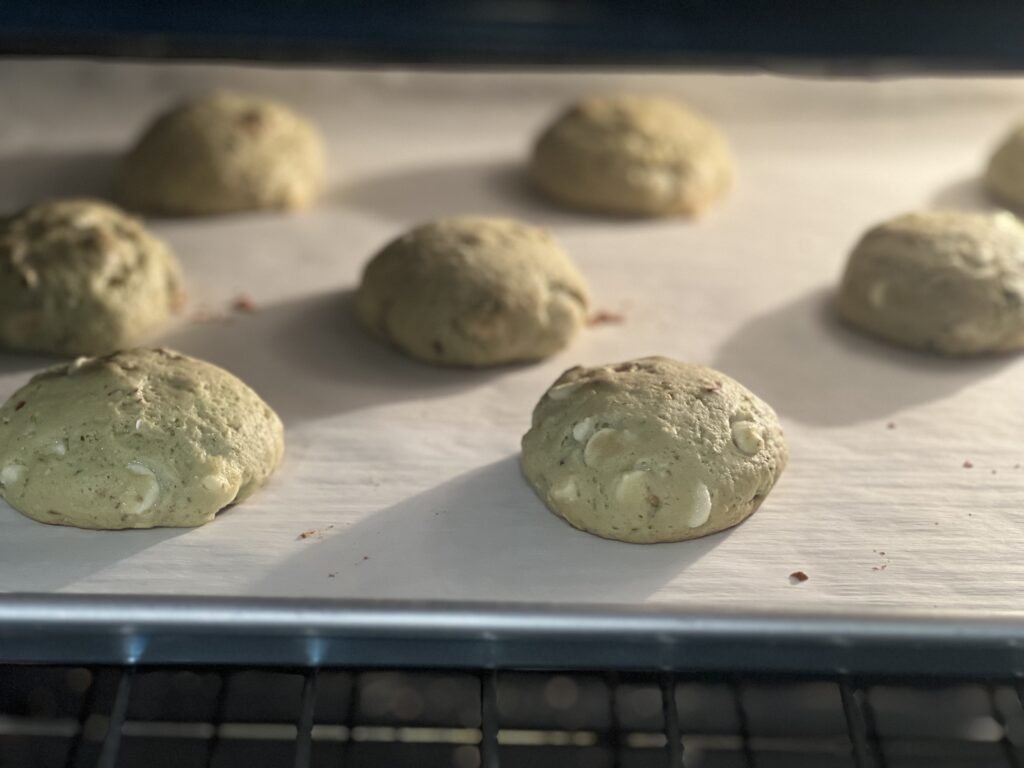
Understanding why are my cookies hard transforms you from a frustrated baker into a confident one. You now know that hard cookies aren’t a personal failure, they’re simply cookies giving you feedback about your ingredients, technique, or equipment. Fortunately, I’m here to help you find answers to your FAQ’s, why are my cookies hard.
Q1: Why are my cookies hard instead of soft?
A: The most common reasons are overbaking, too much white sugar, too much flour, or not enough fat. Pull cookies when edges are set but centers still look underdone, Also use more brown sugar than white sugar, measure flour correctly, and ensure adequate butter.
Q2: How do I make hard cookies soft again?
A: Place hard cookies in an airtight container with a slice of fresh bread for 12-24 hours. The cookies will absorb moisture from the bread and soften. For quick results, microwave with a damp paper towel for 5-10 seconds.
Q3: Why do my cookies get hard after they cool?
A: Cookies naturally firm up as they cool due to the solidification of fats and sugar. However, if they become too hard, you may be overbaking them. Properly baked cookies should be soft when warm and tender (not hard) when cool.
Q4: Why are my cookies hard and crispy when I wanted chewy?
A: This usually indicates too much white sugar and not enough brown sugar. White sugar promotes crispness; brown sugar promotes chewiness. Therefore, adjusting your ratio to 2 parts brown sugar to 1 part white sugar can significantly add for a more chewy cookie.
Q5: Does over mixing cause hard cookies?
A: Yes unfortunately, over mixing develops gluten, the protein network that creates structure. Too much gluten makes cookies tough and hard. Mix dry ingredients into wet just until no flour streaks remain.
Q6: How does oven temperature affect cookie hardness?
A: An oven that’s too low bakes cookies slowly, allowing more moisture to evaporate and creating harder cookies. Consequently, an oven that’s too high can set edges too quickly, potentially leaving centers underdone. Use an oven thermometer to verify accurate temperature.
Q7: Can too much flour make cookies hard?
A: Absolutely. Too much flour absorbs excessive moisture and creates more structure, leading to dense, hard cookies. Use the spoon and level method to measure flour accurately, not scooping directly from the bag.
Q8: Why are my cookies hard the next day?
A: Improper storage allows moisture to escape. However, If cookies are store in an airtight container at room temperature with a slice of bread in it, can help maintain softness. Avoid refrigerating cookies, as refrigeration accelerates staling.
Q9: Does chilling cookie dough make softer cookies?
A: Yes. Chilling dough allows flour to fully hydrate and solidifies the fat, resulting in cookies that spread less and bake more evenly. This often leads to thicker, softer cookies.
Q10: Can I add an extra egg yolk to prevent hard cookies?
A: Yes. Extra egg yolks add fat and emulsifiers that create richness and tenderness. Yolks also contribute to that desirable chewy texture without adding excess structure from egg whites.
Q11: Why are my cookies hard even though I used brown sugar?
A: Several factors could be at play: overbaking, too much flour, not enough fat, or your brown sugar may be old and dry. Check each factor. Also ensure your ratio of brown to white sugar is adequate—aim for 2:1 brown to white.
Q12: Does the type of butter affect cookie hardness?
A: Yes. European style butter with higher butterfat (82-86%) produces softer, more tender cookies than standard American butter (80% butterfat). The lower water content also means less steam and more controlled spread.
Q13: Can I use shortening to make softer cookies?
A: Yes. Shortening creates softer, more tender cookies than butter because it has no water content and a higher melting point. However, it lacks butter’s flavor. Many bakers use a combination of butter (for flavor) and shortening (for tenderness).
Q14: How do I know when to pull cookies to prevent hardness?
A: Pull cookies when edges are set and lightly golden, but centers still look soft, slightly puffy, and underdone. The tops should appear matte rather than wet. Cookies will continue to set as they cool.
Q15: Can I freeze cookie dough to get softer cookies?
A: Freezing dough is an excellent technique. Portion dough into balls, freeze, and bake directly from frozen (add 1-2 minutes to bake time). Frozen dough produces cookies with better structure and often softer texture. Check this link out ➡️why are my cookies hard
Soft Cookie Recipe Adjustments
If your go to recipe consistently produces hard cookies, try these adjustments:
Adjustment Amount Effect
Reduce white sugar Reduce by ¼ cup -Less crispness, more softness
Increase brown sugar Increase by ¼ cup -More moisture, softer texture
Add an extra egg yolk Add 1 yolk -More richness, tenderness
Increase butter Add 1-2 tbsp -More tenderness, flavor
Reduce flour Reduce by 2 tbsp -Less density, softer crumb
Add cornstarch Add 1 tbsp -Tenderizer, softer texture
Substitute some shortening Replace ¼ cup butter -Maximum tenderness