Why Didn’t Your Cookies Spread FAQ’s[15 Causes and Solutions For Perfect Cookie Spread.]
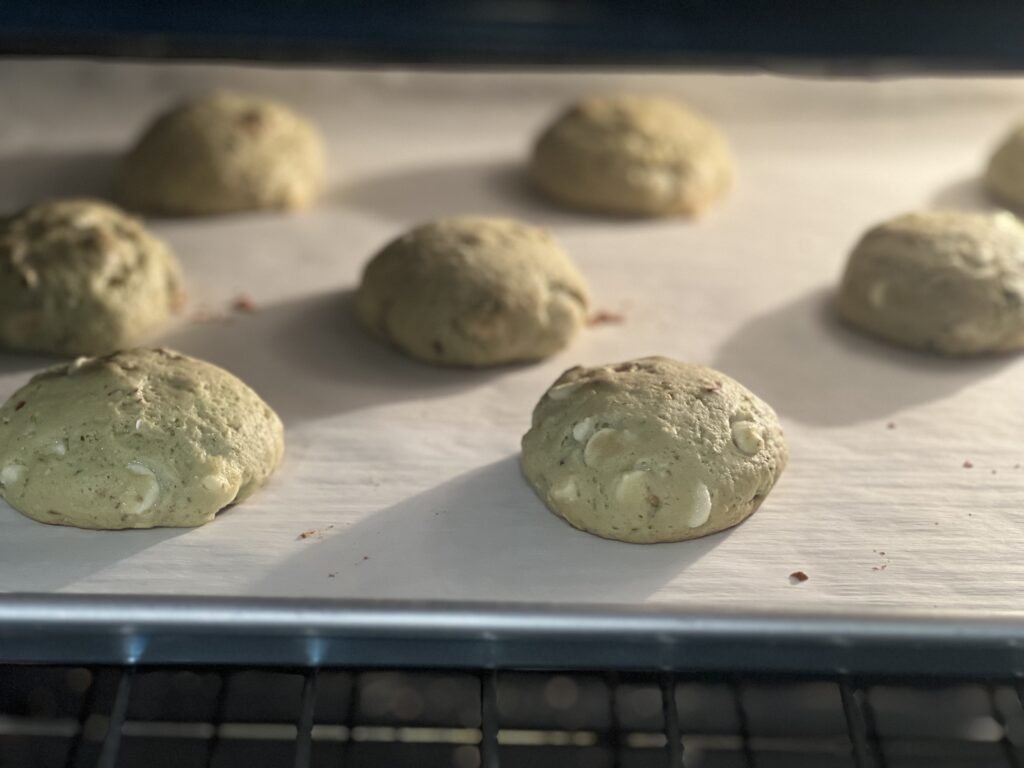
If you’ve ever asked yourself “why didn’t your cookies spread?” you’re not alone. While flat, spreading cookies are a common frustration, the opposite problem cookies that refuse to spread is equally vexing. You wanted thin, crisp edges and chewy centers, but instead you got thick, domed, almost muffin-like cookies that stubbornly held their shape.
Frequently Asked Questions:
Q1: Why didn’t my cookies spread at all?
A: The most common reasons are dough that was too cold, too much flour, too much brown sugar, or too much baking powder. Let dough warm slightly before baking, measure flour correctly, adjust your sugar ratio, and check your leavening agents.
Q2: Why did my cookies stay puffy and domed?
A: Puffy, domed cookies typically result from dough that was too cold, an oven that was too hot, or too much baking powder. Let dough warm to cool room temperature, verify oven temperature with a thermometer, and consider substituting some baking soda for baking powder.
Q3: How do I make cookies spread more?
A: To encourage spread: use more white sugar than brown sugar, ensure butter is at cool room temperature (not cold), reduce flour slightly, use baking soda instead of baking powder, and let dough warm slightly before baking.
Q4: Does chilling dough prevent spread?
A: Yes, chilling solidifies the fat, which slows melting and reduces spread. If your cookies aren’t spreading enough, try letting the dough warm for 10-15 minutes before baking to encourage more spread.
Q5: Why are my cookies thick and cakey?
A: Thick, cakey cookies usually mean too much flour, too much baking powder, or too many eggs. Reduce flour by 2 tablespoons, substitute some baking soda for baking powder, and consider using one less egg white.
Q6: Can too much brown sugar prevent spread?
A: Yes. Brown sugar contains molasses, which limits spread and promotes rise. If your cookies aren’t spreading, try increasing your white sugar ratio. Aim for equal parts brown and white sugar for balanced spread.
Q7: How does oven temperature affect cookie spread?
A: Ovens that are too hot set edges too quickly, limiting spread. Ovens that are too cool allow excessive spread. For balanced spread, bake at 350-375°F and use an oven thermometer to verify accuracy.
Q8: Why didn’t my cookies spread even though I used butter?
A: Butter temperature matters as much as butter type. If your butter was too cold when mixed, or if your dough was chilled too long before baking, even butter won’t encourage spread. Let dough warm slightly before baking.
Q9: Can I add more baking soda to make cookies spread?
A: Yes. Baking soda promotes spread by raising the pH of the dough, which encourages browning and caramelization. Add an extra ¼ teaspoon of baking soda to encourage more spread.
Q10: Why are my cookies spreading on some sheets but not others?
A: This usually indicates inconsistent dough temperature or uneven oven heat. Ensure dough is uniformly warmed, use an oven thermometer, and rotate baking sheets halfway through baking.
Q11: Does the type of baking sheet affect spread?
A: Yes. Dark, non-stick sheets absorb more heat and can cause edges to set too quickly, limiting spread. Light-colored aluminum sheets with parchment paper provide more even heat distribution and balanced spread.
Q12: How do I fix cookie dough that is too stiff?
A: Add 1-2 teaspoons of milk and mix gently. Let the dough rest at room temperature for 15-30 minutes before baking. If the dough is still stiff, add an extra egg yolk for richness and spread.
Q13: Why didn’t my gluten-free cookies spread?
A: Gluten-free flours behave differently than wheat flour. They often absorb more moisture and create denser structure. Add an extra 1-2 tablespoons of liquid, use more white sugar, and ensure your dough isn’t too cold before baking.
Q14: Can I use all-purpose flour instead of bread flour for more spread?
A: Yes. Bread flour has higher protein content and creates more structure, which can limit spread. All-purpose flour (10-12% protein) will produce more spread than bread flour (12-14% protein).
Q15: Why didn’t my cookies spread when I used a recipe that usually works?
A: Ingredient variability is often the culprit. Different brands of flour absorb moisture differently. Butter temperature varies. Even humidity affects dough consistency. Adjust based on visual cues: if dough seems stiff, add a splash of milk; if it seems dry, reduce flour slightly.
Quick Reference: No-Spread Troubleshooting Chart
Problem Likely Cause Solution:
Cookies stayed puffy and domed – Dough too cold Let dough warm 10-15 min before baking
Cookies are thick and cakey – Too much flour Reduce flour by 2 tbsp; use spoon-and-level
Cookies are thick with little spread – Too much brown sugar Increase white sugar ratio
Cookies puffed up but didn’t spread – Too much baking powder Substitute some baking soda
Cookies are tough and dense – Over mixed Mix just until flour disappears
Cookies are thick with defined edges – Butter too cold Use cool room temperature butter
Cookies are puffy and dry – Too many eggs Reduce egg whites; add extra yolk
Cookies are pale and puffy – Oven too hot Reduce temperature by 25°F
Cookies have set edges, puffy centers – Oven temperature too high Verify with thermometer; reduce heat
Cookies are dense with minimal spread – Used shortening Switch to butter for more spread
Cookies are structurally sound but didn’t spread – Too many add-ins Reduce add-ins; use mini chips
Cookies are dense and flat (no rise) – Old leavening Replace baking soda/powder
Final Thoughts:
Remember that the perfect cookie is about balance. Too much spread gives you flat, greasy cookies. Too little spread gives you puffy, cakey domes. Somewhere in between lies cookie perfection and now you know how to find it.
So go preheat that oven. Your perfectly spread cookies are waiting to be baked. Check this link out ➡️Award-Winning Chocolate Chip Cookie