Why Is My Cookie Dough Too Sticky? [9 Proven Ways to Fix It Fast]
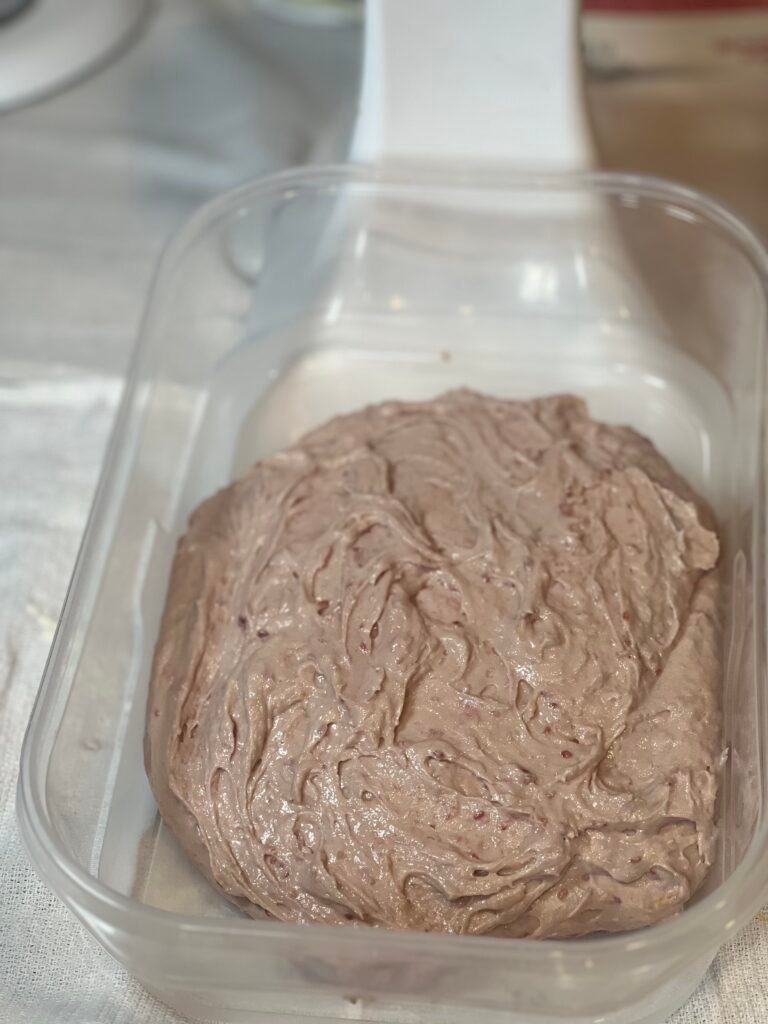
You’ve mixed your cookie dough with anticipation, ready to scoop and bake. But when you go to portion it, you’re met with a nightmare: sticky, gooey dough that clings to everything your fingers, the scoop, the counter. It’s impossible to shape, impossible to transfer, and frankly, a mess. If you’ve ever found yourself asking “why is my cookie dough too sticky?” you’re not alone.
Why does my cookie dough stick to everything? The answer usually comes down to one of several common issues: too much liquid, not enough flour, warm butter, or high humidity. The good news is that sticky dough is almost always fixable often with a simple solution like chilling or adding a bit more flour.In this comprehensive guide, we’ll explore exactly why is my cookie dough too sticky and give you nine proven strategies to fix it fast. So let’s rescue that sticky mess.
Why Is My Cookie Dough Too Sticky? Here’s the Science
Before we can fix sticky dough, we need to understand what causes it. Cookie dough stickiness is governed by several key factors:
Fat Temperature: When butter is too warm, it becomes soft and greasy, causing the dough to stick to surfaces.
Flour-to-Liquid Ratio: Too little flour relative to wet ingredients creates a loose, sticky dough.
Sugar Dissolving: Sugar draws in moisture. When fully dissolved, it creates a stickier texture.
Egg Temperature: Cold eggs can cause fat to seize, but warm eggs can make dough more fluid and sticky.
Kitchen Temperature: A warm kitchen softens butter and makes dough harder to handle.
Humidity: High humidity adds moisture to your ingredients, especially flour and sugar.
Overmixing: Excessive mixing develops gluten and can break down the dough’s structure, leading to stickiness.
Now that we understand the factors, let’s explore exactly why is my cookie dough too sticky in specific scenarios.
9 Reasons Your Cookie Dough Is Too Sticky
- Your Butter Was Too Warm (The #1 Cause)
Why is my cookie dough sticky and greasy? This is the most common answer.
The problem: When butter is too warm or melted, it doesn’t properly incorporate with the flour. Instead of creating a cohesive dough, the liquid fat creates a greasy, sticky mess that clings to everything.
The solution:
· Use butter at cool room temperature (65-67°F)
· Butter should give slightly when pressed but still hold its shape
· If your butter is too warm, chill the dough immediately
Pro tip: When in doubt, err on the side of colder butter. You can always let dough warm slightly, but you can’t un-melt butter.
- You Didn’t Use Enough Flour
The problem: Flour absorbs moisture and provides structure. Too little flour leaves excess liquid unabsorbed, creating a sticky, loose dough.
The solution:
· Add flour 1 tablespoon at a time until the dough reaches the right consistency
· The dough should be soft and slightly tacky but not sticky
· Use the spoon and level method to measure flour accurately
How much flour should you add? Start with 1 tablespoon, mix, and assess. Most sticky doughs need 2-4 tablespoons of additional flour.
Signs of too little flour: Dough is loose, wet-looking, and doesn’t hold its shape when scooped.
- You Added Too Much Liquid (Eggs, Milk, or Vanilla)
The problem: Every liquid ingredient adds moisture. Too many eggs, too much milk, or even an extra teaspoon of vanilla can push the dough over the edge into sticky territory.
The solution:
· For already-mixed dough, add 1-2 tablespoons of flour to absorb excess liquid
· For future batches, measure liquid ingredients carefully
· Use large eggs as specified, extra large eggs add more liquid
Liquid ingredient guide:
Ingredient Standard Amount Sticky Risk
Egg 1 large (about 50g liquid) High if extra large
Milk 1-2 tbsp High if over-measured
Vanilla 1-2 tsp Low risk
- Your Dough Was Over mixed
The problem: Overmixing develops gluten and can break down the dough’s structure, releasing excess moisture and creating a sticky, pasty texture.
The solution:
· Mix dry ingredients into wet just until no flour streaks remain
· Stop immediately, don’t continue mixing “just to be sure”
· Fold in add-ins by hand
Signs of over mixing: Dough looks smooth and elastic rather than shaggy, and has a sticky, almost glue-like texture.
- Your Kitchen Is Too Warm
The problem: A warm kitchen softens butter and makes the entire dough more fluid and sticky. Summer baking often produces stickier dough than winter baking.
The solution:
· Chill the dough for 20-30 minutes before handling
· Work in a cooler area of your kitchen
· If possible, bake on cooler days or in the morning
Temperature guide:
Kitchen Temperature Dough Consistency
Below 65°F Firm, easy to handle
65-72°F Ideal, slightly tacky
Above 75°F Soft, sticky, difficult
- The Humidity Is Too High
The problem: Flour is hygroscopic, it absorbs moisture from the air. On humid days, your flour can contain significantly more moisture than usual, throwing off your recipe’s balance.
The solution:
· Add 1-2 tablespoons of extra flour on humid days
· Store flour in an airtight container
· Consider running a dehumidifier in your kitchen
Humidity guide:
Humidity Level Adjustment
Below 40% Normal recipe
40-60% Add 1 tbsp flour
Above 60% Add 2-3 tbsp flour
- You Used the Wrong Type of Flour
The problem: Different flours absorb moisture differently. Cake flour and pastry flour have lower protein content and absorb less liquid than all-purpose or bread flour.
The solution:
· If using cake or pastry flour, add 1-2 tablespoons of extra flour
· For sticky dough, switch to all-purpose or bread flour
· Store flour properly to prevent moisture absorption
Flour absorption guide:
Flour Type Absorption Sticky Risk
Bread flour Highest Lowest risk
All-purpose High Low risk
Pastry flour Medium Moderate risk
Cake flour Lowest Highest risk
- Your Brown Sugar Was Too Moist
The problem: Brown sugar naturally contains molasses, which adds moisture. If your brown sugar is especially fresh or has been stored improperly, it can add excess moisture to your dough.
The solution:
· Reduce brown sugar slightly (by 1-2 tablespoons)
· Or add 1-2 tablespoons of flour to compensate
· Store brown sugar in an airtight container
Brown sugar moisture guide:
Condition Effect Fix
Fresh, soft Normal No adjustment needed
Very soft, wet Extra moisture Add 1-2 tbsp flour
Hard, dry Less moisture Add 1-2 tsp liquid
- You Didn’t Chill the Dough Before Handling
The problem: Even perfectly formulated dough can be sticky at room temperature. Chilling solidifies the fat, making the dough firmer and much easier to handle.
The solution:
· Always chill sticky dough for at least 20-30 minutes before shaping
· For best results, chill for 1-2 hours
· If dough is still sticky after chilling, add 1-2 tablespoons of flour
Pro tip: Shape dough into balls before chilling for the easiest handling.
How to Fix Sticky Cookie Dough (7 Emergency Fixes)
You’ve mixed your dough and it’s a sticky disaster. Don’t throw it away! Here’s how to fix it:
Emergency Fix #1: Chill Immediately (Fastest & Easiest)
Cover the bowl and refrigerate for 20-30 minutes. Chilling solidifies the fat, making the dough firmer and less sticky. This alone fixes most sticky dough problems.
Emergency Fix #2: Add Flour Gradually
Add 1 tablespoon of flour at a time, mixing gently after each addition. Stop when the dough is soft but no longer sticky. Most sticky doughs need 2-4 tablespoons.
Emergency Fix #3: Add a Binding Agent
Add 1-2 tablespoons of powdered sugar or 1 tablespoon of cornstarch. Both absorb excess moisture without significantly affecting flavor.
Emergency Fix #4: Use a Cookie Scoop
If the dough is still slightly sticky, use a cookie scoop to portion it directly onto the baking sheet. Avoid touching the dough with your hands.
Emergency Fix #5: Wet Your Hands
Lightly wet your hands with cold water before shaping the dough. The water creates a barrier that prevents sticking.
Emergency Fix #6: Chill Between Batches
Keep the dough in the refrigerator between batches. Scoop only what you need, then return the rest to the fridge.
Emergency Fix #7: Use Parchment Paper
Roll or shape the dough between two sheets of parchment paper to prevent sticking to your hands or rolling pin.
How to Prevent Sticky Dough: Best Practices
Before You Start
· Bring butter to cool room temperature (65-67°F)
· Measure flour using spoon-and-level method
· Check kitchen temperature (ideal: 65-72°F)
· On humid days, add 1-2 tbsp extra flour
During Mixing
· Add liquid ingredients gradually
· Mix dry into wet just until combined
· Stop immediately—no extra mixing
· If dough seems wet, add flour 1 tbsp at a time
Before Shaping
· Always chill sticky dough for 20-30 minutes minimum
· Shape dough into balls before chilling for easiest handling
· Keep dough chilled between batches
Proactive Adjustments
· Summer baking: Reduce liquid by 1-2 tsp or add 1-2 tbsp extra flour
· Winter baking: Dough may be drier; add liquid if needed
· High altitude: Add 1-2 tbsp extra flour (dry air)
· Humid climate: Always add 1-2 tbsp extra flour
Final Thoughts: Your Sticky Dough Days Are Over
If you’re still wondering why is my cookie dough too sticky, remember this: the solution is almost always chilling or adding a bit more flour. Don’t panic, sticky dough is almost always fixable.
Understanding why dough becomes sticky transforms you from a frustrated baker into a confident problem-solver. You now know that sticky dough isn’t a failure it’s simply your ingredients giving you feedback about temperature, measurements, or conditions.
The solutions we’ve covered, chilling, adding flour, checking butter temperature, adjusting for humidity—are your tools for achieving perfectly manageable dough every time.
So go chill that dough, add a sprinkle of flour if needed, and get ready to bake your best batch yet.
What’s your biggest cookie dough struggle? Drop a comment below I’d love to help! In the mean time, check these links out ➡️Award-Winning Chocolate Chip Cookie. ➡️Award Winning Pecan Chocolate Chip Cookies