Why Salt Matters in Cookie Baking: The Essential Ingredient You’re Overlooking
Why Salt Matters in Cookie Baking: The Essential Ingredient You’re Overlooking
direct answer, salt is essential in cookie baking because it balances sweetness, enhances flavor, strengthens gluten structure, and controls yeast activity. Without salt, cookies taste flat and one-dimensional. The right amount of salt transforms a good cookie into a great one by making every flavor pop while adding its own subtle complexity.
Table of Contents
- Introduction: The Unsung Hero of Cookie Baking
- What Does Salt Actually Do in Cookie Dough? The Science
- The 7 Essential Roles of Salt in Cookie Baking
- Different Types of Salt: Which One Should You Use?
- How Much Salt Should You Use?
- What Happens When You Forget the Salt?
- Quick Reference Troubleshooting Chart
- Final Thoughts: Give Salt the Respect It Deserves
Introduction: The Unsung Hero of Cookie Baking
You’ve measured your flour with precision. You’ve creamed your butter and sugar to perfection. You’ve added premium chocolate and the finest vanilla. Your cookies should be incredible. But somehow, they’re… flat. Not in texture sadly, in flavor. Something is missing. Something you can’t quite identify.
That missing something is almost certainly salt.
If you’ve ever wondered about the importance of salt in baking cookies, you’re asking one of the most important questions in all of baking. Surprisingly, Salt is the unsung hero of your kitchen, the ingredient that doesn’t get the glory but makes everything else shine. It’s the difference between a cookie that tastes good and a cookie that makes people close their eyes and say, “Wow.”
In this comprehensive guide, we’ll explore exactly why salt matters in cookies: the science behind it, the different types of salt, how much to use, and what happens when you leave it out.
Let’s give salt the respect it deserves, Lol…
What Does Salt Actually Do in Cookie Dough? The Science
Before we dive into the reasons, let’s understand what salt does on a molecular level.
Salt is sodium chloride (NaCl). When dissolved in water (or the moisture in your dough), it breaks into sodium and chloride ions. These ions interact with other ingredients in ways that affect flavor, texture, and structure:
Flavor Enhancement: Salt suppresses bitterness and enhances sweetness. It makes flavors more perceptible to your taste buds.
Gluten Strengthening: Salt strengthens gluten proteins, creating a more structured, elastic dough.
Moisture Control: Salt affects how water is absorbed and retained in your dough.
Yeast Regulation: In recipes with yeast, salt controls fermentation.
Sugar Balance: Salt counteracts sweetness, preventing cookies from tasting cloying.
Now that we understand the science, let’s explore the specific roles salt plays in your cookies.
The 7 Essential Roles of Salt in Cookie Baking
- Salt Enhances and Amplifies Flavor (The #1 Role)
Why does salt make cookies taste better? This is the most important answer.
The problem: Without salt, cookies taste flat, one-dimensional, and surprisingly bland. No matter how much sugar, butter, or chocolate you add, the flavors don’t seem to “pop.”
The solution: Salt is a flavor enhancer. It suppresses bitterness and amplifies sweetness and other flavors. It makes your taste buds more sensitive to the delicious compounds in your cookies.
The science: Sodium ions interact with your taste receptors, making them more responsive to other flavors. Think of salt as a “volume knob” for all the other flavors in your cookie.
The result: A cookie with the right amount of salt tastes more chocolatey, more buttery, more vanilla-y—because the salt makes all those flavors more noticeable.
2. Salt Balances Sweetness
The problem: Cookies without salt can taste cloyingly sweet. The sugar hits your palate with no counterbalance, creating a one-note, sugary experience.
The solution: Salt provides the perfect counterpoint to sweetness. It doesn’t make cookies salty—it makes them less sweet by balancing the sugar.
The science: Salt and sugar compete for your taste receptors. A small amount of salt actually makes sugar taste sweeter by suppressing bitterness, but it also provides a counterbalance that prevents the sweetness from becoming overwhelming.
The result: A cookie with salt tastes more complex and satisfying. The sweetness is there, but it’s balanced and rounded.
3. Salt Strengthens Gluten Structure
The problem: Cookies without enough salt can be crumbly, fragile, and lacking structure.
The solution: Salt strengthens gluten proteins, creating a more cohesive dough. This is especially important for cookies that need to hold their shape.
The science: Salt ions interact with gluten proteins, helping them bond together more effectively. This creates a stronger, more elastic gluten network.
The result: Cookies with salt hold together better, have a more satisfying texture, and are less prone to crumbling.
4. Salt Controls Spread
The problem: Cookies can spread too much, becoming thin and greasy.
The solution: Salt helps control spread by strengthening gluten, which makes the dough more resistant to flowing outward during baking.
The science: Stronger gluten structure means the dough holds its shape better during baking. The salt also affects how fat melts and how water is absorbed.
The result: Cookies with the right amount of salt spread moderately, creating that perfect balance of thickness and crisp edges.
- Salt Deepens Color and Browning
The problem: Some cookies come out pale and unappetizing.
The solution: Salt promotes browning by affecting caramelization and the Maillard reaction.
The science: Salt lowers the temperature at which caramelization occurs. This means your cookies will brown more readily and develop richer, deeper color.
The result: Cookies with salt have more appealing, golden-brown color.
- Salt Extends Shelf Life
The problem: Cookies can become stale or lose freshness quickly.
The solution: Salt acts as a preservative, helping cookies stay fresher longer.
The science: Salt controls water activity, which slows down the staling process. It also inhibits the growth of some bacteria.
The result: Your cookies stay fresher, tastier, and more enjoyable for days after baking.
- Salt Creates Texture and Contrast (Especially as a Finishing Salt)
The problem: Cookies that are all one texture can become monotonous.
The solution: Flaky sea salt sprinkled on top creates bursts of salty crunch that contrast beautifully with the soft, sweet cookie.
The science: The texture of flaky salt adds a satisfying crunch. The bursts of saltiness reset your palate between bites, making each bite feel fresh.
The result: A more interesting, complex eating experience. This is why so many high-end bakeries finish their cookies with flaky salt.
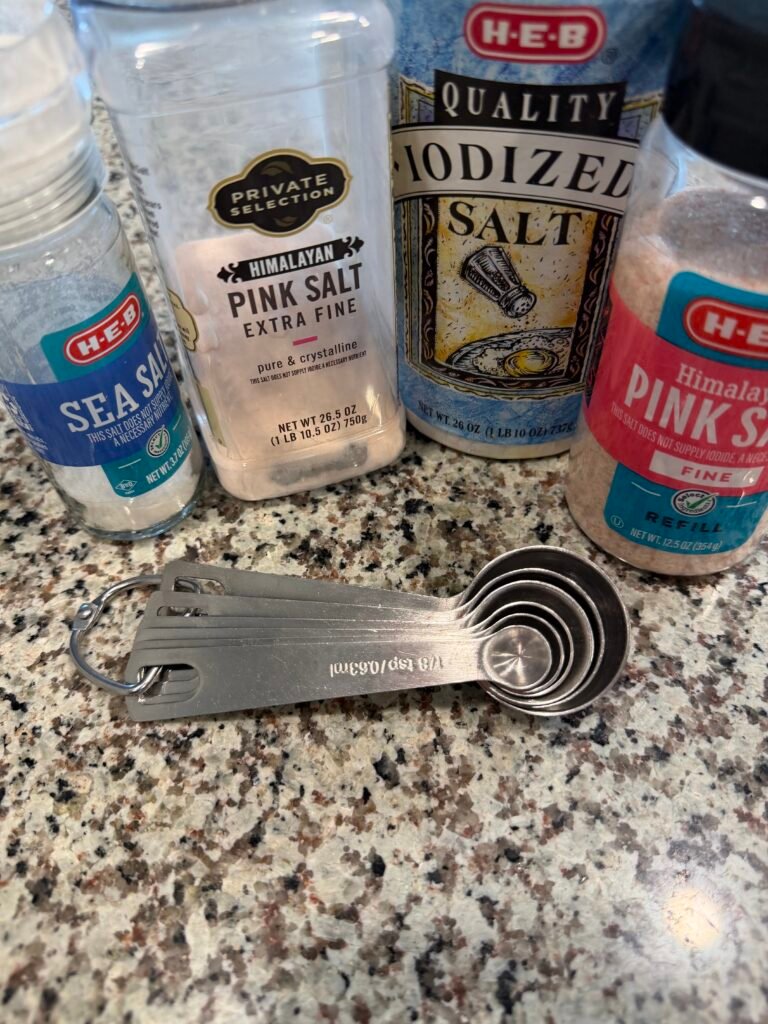
Different Types of Salt: Which One Should You Use?
Not all salt is created equal. Here’s what to use for cookies:
- Table Salt (Avoid for Baking)
Factor Details
Texture Very fine, dense
Flavor Harsh, metallic (often contains iodine)
Best for Salting food at the table
Why avoid Contains anti-caking agents, dissolves too quickly, harsh flavor
- Fine Sea Salt (Good for Dough)
Factor Details
Texture Fine, dissolves easily
Flavor Clean, pure, no metallic taste
Best for Mixing into dough
Why use Dissolves evenly, pure flavor, consistent results
- Kosher Salt (Great for Dough)
Factor Details
Texture Coarse flakes, dissolves moderately
Flavor Clean, pure, mild
Best for Mixing into dough, seasoning
Why use Easy to pinch, pure flavor, consistent
Note: Kosher salt is less dense than table salt. If a recipe calls for table salt, use about 1.5 times as much kosher salt to achieve the same saltiness.
- Flaky Sea Salt (Best for Finishing)
Factor Details
Texture Large, irregular flakes
Flavor Delicate, clean, mild
Best for Sprinkling on top before baking
Why use Creates texture, visual appeal, bursts of saltiness
Recommendation: For cookies, use fine sea salt or kosher salt IN the dough, and flaky sea salt ON TOP.
How Much Salt Should You Use?
General Guideline
For most cookie recipes, the salt amount is:
· About ¼ to ½ teaspoon per cup of flour (or to taste)
· Usually about ½ to ¾ teaspoon total for a batch of 24-36 cookies
Adjusting Salt
If You Want Adjust Salt
More pronounced flavor Add ¼ teaspoon
Less salty taste Reduce by ¼ teaspoon
To balance very sweet cookies Add ½ teaspoon
With salted butter Reduce salt by ¼ teaspoon. Unsalted butter Use full amount called for
The “Pinch” Method
If a recipe says “a pinch of salt,” here’s what it means:
· Pinch: Amount you can pinch between your thumb and forefinger (about ⅛ teaspoon)
· Dash: Slightly more than a pinch
· To taste: Add salt gradually, tasting as you go
What Happens When You Forget the Salt?
Here’s what to expect if you forget to add salt to your cookies:
Flavor: Your cookies will taste flat, one-dimensional, and surprisingly bland. The sweetness will seem excessive, and the chocolate, butter, and vanilla flavors won’t “pop.”
Texture: Your cookies may be more crumbly and fragile. The gluten won’t be as strong, so the dough may not hold together as well.
Spread: Your cookies may spread more than expected because the gluten structure is weaker.
Browning: Your cookies may be paler because salt promotes caramelization.
Shelf Life: Your cookies may stale faster without salt’s preservative effect.
The fix? If you forgot the salt, you can’t add it after baking. But you can sprinkle flaky sea salt on top of the baked cookies to add some saltiness. It won’t fully compensate, but it helps.
Quick Reference Troubleshooting Chart
Problem Likely Cause Solution:
Cookies taste flat and bland Not enough salt Add ¼ tsp more next batch
Cookies taste too sweet Not enough salt Add ¼-½ tsp more next batch
Cookies taste salty Too much salt Reduce by ¼ tsp next batch
Cookies are crumbly/fragile Not enough salt (weak gluten) Add more salt next batch
Cookies spread too much Not enough salt Add more salt; strengthen gluten
Cookies are pale Not enough salt Add more salt; promotes browning
Cookies taste metallic Used table salt Switch to sea salt or kosher salt
Final Thoughts: Give Salt the Respect It Deserves
If you’re still wondering about the importance of salt in baking cookies, remember this: Salt is the ingredient that makes everything else taste better. It doesn’t make your cookies salty, it makes them more; More chocolatey, more buttery, more vanilla-y. More everything.
The next time you’re baking cookies, pause before adding the salt. That pinch isn’t an afterthought, it’s the secret weapon. That tiny amount of white powder transforms a flat, one-dimensional cookie into a complex, satisfying, crave-worthy treat.
Salt matters. And now you know why.
Now go bake something with the right amount of salt, and taste the difference.
Check these links out ➡️Why Are My Cookies Too Soft And Falling Apart? FAQ’s ➡️Award-Winning Chocolate Chip Cookie Please check out my new links “Cookie Academy”A PLACE WHERE YOU CAN LEARN THE SCIENCE OF BAKING COOKIES… ➡️What Does “Mix Until Fully Combined” Mean? ➡️Why Whisking Is One of the Most Important Skills in Baking