Why Is Salt Important in Cookies?[FAQ’s]
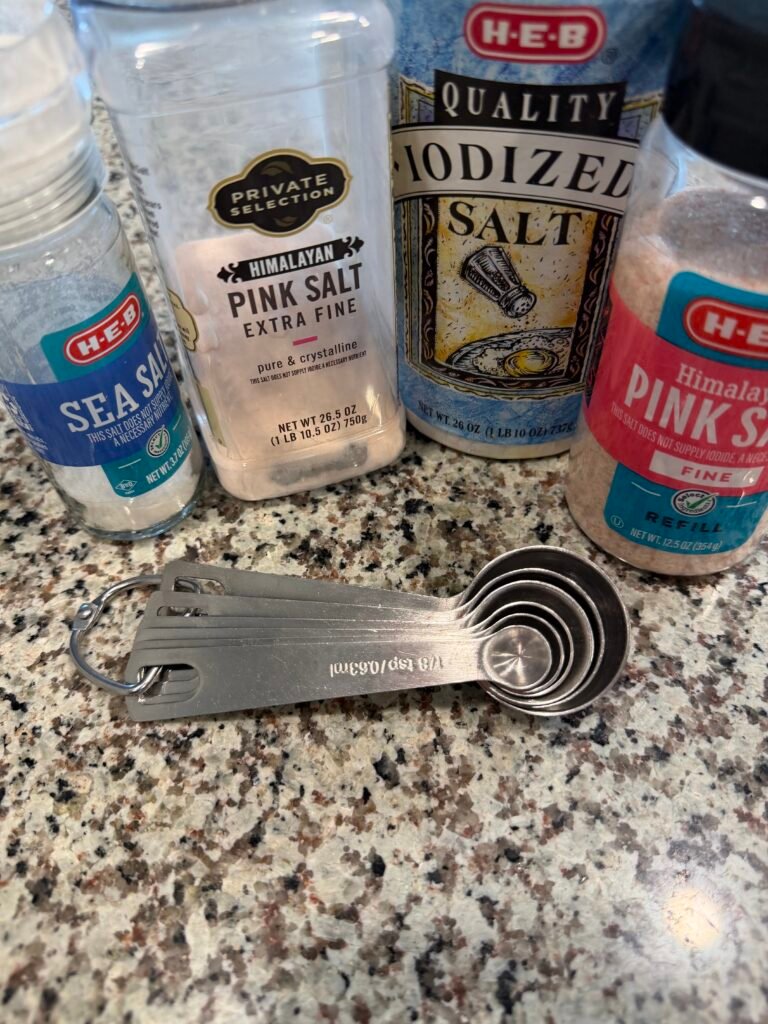
The Secret Ingredient Behind Better Flavor, Texture, and Balance; Why is salt important in cookies?
When most people think about cookies, they think about ingredients like:
- butter
- sugar
- chocolate
- vanilla
Salt rarely gets any attention.
In fact, it’s often the smallest ingredient in the recipe.
Yet despite its tiny measurement, salt plays one of the biggest roles in creating great cookies.
At First Bite, I’ve learned that some of the most important ingredients are the ones people notice the least. Salt doesn’t make cookies salty—it makes cookies taste more like themselves.
Let’s talk about why with these FAQ’s.
Frequently Asked Questions:
Q1: Why is salt important in baking cookies?
A: Salt enhances and amplifies flavor, balances sweetness, strengthens gluten structure, controls spread, promotes browning, extends shelf life, and adds textural contrast. Without salt, cookies taste flat, one-dimensional, and overly sweet.
Q2: Can I skip salt in cookies?
A: Technically yes, but you shouldn’t. Without salt, your cookies will taste flat, bland, and overly sweet. Salt doesn’t just add saltiness—it makes all the other flavors in your cookies more perceptible and balanced.
Q3: How much salt should I use in cookies?
A: Typically ¼ to ½ teaspoon per cup of flour, or about ½ to ¾ teaspoon total for a batch of 24-36 cookies. Adjust based on your taste preferences and whether you’re using salted or unsalted butter.
Q4: What type of salt is best for cookies?
A: For mixing into dough, use fine sea salt or kosher salt. For finishing, use flaky sea salt (like Maldon). Avoid table salt, which can have a harsh, metallic taste due to iodine and anti-caking agents.
Q5: What happens if I use salted butter instead of unsalted?
A: Salted butter adds salt to your recipe. If a recipe calls for unsalted butter and you use salted, reduce the added salt by ¼ teaspoon per ½ cup (1 stick) of butter. This prevents your cookies from becoming too salty.
Q6: Why do my cookies taste flat even though I added salt?
A: You may not be using enough salt, or you may be using table salt, which can taste harsh. Try increasing the salt by ¼ teaspoon, or switch to fine sea salt for a cleaner flavor.
Q7: Does salt affect cookie texture?
A: Yes. Salt strengthens gluten, which helps cookies hold their shape, reduces spreading, and creates a more cohesive crumb. Without enough salt, cookies can be crumbly and fragile.
Q8: Why do high-end bakeries put salt on top of cookies?
A: Flaky salt on top of cookies adds a satisfying crunchy texture and bursts of saltiness that contrast beautifully with the sweet cookie. It also adds visual appeal and makes the cookie look more sophisticated.
Q9: Does salt affect browning?
A: Yes. Salt promotes caramelization, helping cookies achieve a deeper, more golden-brown color. Without salt, cookies may appear paler and less appetizing.
Q10: Can I add salt after baking if I forgot?
A: You can sprinkle flaky sea salt on top of baked cookies to add some saltiness, but it won’t fully compensate for missing salt in the dough. The salt in the dough affects texture and structure that can’t be fixed after baking.
Q11: How does salt balance sweetness?
A: Salt and sugar compete for your taste receptors. A small amount of salt suppresses bitterness and enhances sweetness, creating a more balanced, complex flavor. Without salt, the sweetness can become cloying.
Q12: Is kosher salt and table salt interchangeable in cookie recipes?
A: Not exactly. Kosher salt has a different density than table salt. If a recipe calls for table salt, use about 1.5 times as much kosher salt to achieve the same saltiness. For baking, it’s safer to use what the recipe specifies.
Q13: Does salt affect how cookies bake?
A: Yes. Salt strengthens gluten, controls spread, and promotes browning. The salt also affects how water is absorbed and retained in the dough. These factors all influence the baking process.
Q14: Why do some recipes use more salt than others?
A: The salt amount is often balanced with other ingredients. Recipes with more sweetness (chocolate chips, brown sugar) or more acidic ingredients may require more salt to balance the flavors. Recipes with salted butter will call for less added salt.
Q15: Can I use flavored salt (like smoked salt) in cookies?
A: Yes, but with caution. Flavored salts can add unique dimensions to your cookies. Smoked salt works well with dark chocolate, and Himalayan pink salt can add a subtle mineral note. Use less than you would with regular salt and taste as you go.
The First Bite Cookie Note:
One of the most powerful ingredients in baking is often the one people overlook.
Salt doesn’t demand attention.
It quietly works in the background.
Enhancing.
Balancing.
Elevating.
And while it may only be measured by the teaspoon, its impact is felt in every bite.
The next time you enjoy a perfectly balanced cookie, take a moment to appreciate the ingredient that helped bring everything together.
Because sometimes the smallest ingredients make the biggest difference.
Check out these links ➡️Why Salt Matters in Cookie Baking: The Essential Ingredient You’re Overlooking ➡️Award-Winning Chocolate Chip Cookie